

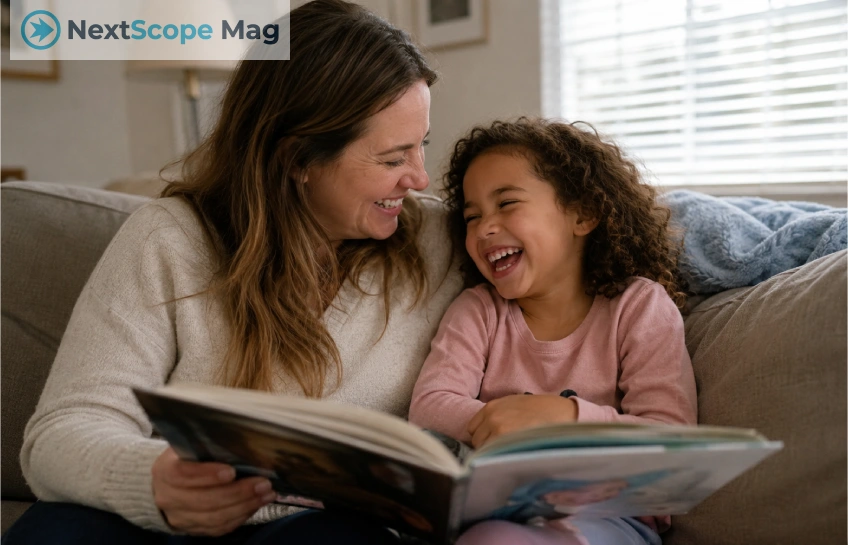
The term white mother comes up in a lot of different places online — parenting forums, social media, academic discussions, and even flower symbolism. For some people, it’s a simple description. For others, it carries a lot of emotional weight. Whether someone is searching for their own identity, trying to understand a mixed-race family dynamic, or just curious about the phrase, there’s more to it than it looks.
This article breaks down what “white mother” actually means in today’s world, what mixed-race kids often say about their experiences, and what white mothers in multicultural families actually deal with — day in, day out.
What People Mean by “White Mother” Today
“White mother” doesn’t have one single meaning. It shows up in several different contexts, and the meaning shifts depending on where you find it.
In everyday language, it usually refers to a Caucasian woman who is a mother — simple as that. But online, especially on platforms like Reddit, Instagram, and TikTok, the phrase often appears in bigger conversations about race, identity, and family dynamics.
Some of the most common contexts include:
- Mixed-race families where the mother is white and the father is Black, Latino, or from another ethnic background
- Discussions about how white mothers raise children of color
- Personal essays and forum threads where people share what it was like growing up with a white mom
- Symbolic references — like white carnations on Mother’s Day or white mother-of-pearl in jewelry
So depending on the angle, “white mother” can be about race, culture, family identity, symbolism, or all of the above at once.
Historical and Social Context of White Motherhood
For most of Western history, the image of “the ideal mother” was quietly assumed to be white. Mainstream media, advertising, and even school textbooks defaulted to this image for decades. It wasn’t until more recent years that public conversations started questioning who gets centered in stories about motherhood — and who doesn’t.
Sociologists have long studied how race shapes how mothers are perceived. White mothers, historically, were more likely to be shown as nurturing, capable, and respected. Mothers of color often faced harsher scrutiny — from the media, from institutions, and from social services. This isn’t ancient history. These patterns still play out today, just in different forms.
That historical context matters because it explains why the phrase “white mother” carries weight in conversations about privilege and racial identity. It’s not just a description — it comes loaded with decades of social messaging.
Growing Up with a White Mother in a Mixed-Race Family
People who grew up with a white mother and a non-white father often describe a very specific kind of in-between feeling. They love their moms deeply, but they also sometimes feel like they exist in two worlds that don’t always connect.
Common themes that show up in forums and personal stories include:
- Feeling different at school or in the neighborhood — sometimes not “white enough” for some peers, sometimes not “Black enough” or “Latino enough” for others
- Cultural gaps at home — a white mom who genuinely loves her kid but doesn’t always know how to handle their hair, their cultural traditions, or their racial experiences
- Positive memories of acceptance and love — most people with white moms describe their mothers as deeply loving and supportive, even when there were gaps in understanding
One common thread in Reddit discussions is that children with white mothers often appreciate their mom’s love but also wish she had known more about their culture and racial identity growing up. It’s not a criticism — it’s just an honest reality of what interracial families navigate.
Challenges White Mothers Face in Interracial and Multicultural Families
Being a white mother in a multicultural family comes with a unique set of challenges. Many of these women enter motherhood with the best intentions, but they quickly discover there’s a learning curve when it comes to raising a child whose racial experience they don’t share.
Some of the most common challenges include:
Dealing with family prejudice. Not every grandmother or uncle is on board with an interracial family. White mothers often find themselves caught between standing up for their children and trying to keep family relationships intact. That’s a tough spot to be in.
Navigating racism their children face. When a Black or mixed-race child comes home from school upset because of something a classmate said, the white mother has to respond. Many white moms say they feel underprepared for these moments — not because they don’t care, but because they haven’t personally lived through it.
Managing their own guilt. A lot of white mothers in multicultural families describe feeling guilt — about their own privilege, about what they don’t know, about the gaps in their child’s cultural education. That guilt, if not processed well, can get in the way of actually helping the child.
Extended family tension. When the in-laws on the non-white side of the family are skeptical, or when the white side of the family makes subtle (or not-so-subtle) racist comments, the white mother often ends up in a mediating role. That’s exhausting.
How White Mothers Can Talk About Race with Their Children
One of the biggest things white mothers of non-white or mixed-race children deal with is figuring out when and how to talk about race. A lot of white parents grew up in households where race “wasn’t discussed” — but that approach doesn’t work for children who will face racial bias in the real world.
Here’s what tends to work, based on experiences shared by parents and educators:
- Start early and keep it simple. Even toddlers notice skin color. Instead of pretending differences don’t exist, parents can acknowledge them calmly and positively.
- Don’t make it a one-time talk. Race and identity are ongoing conversations, not a single sit-down. Kids need space to bring up their experiences repeatedly.
- Listen more than you explain. When a child says something happened because of their race, the first job is to believe them and listen — not explain why it probably wasn’t racist.
- Admit what you don’t know. White mothers who are honest with their kids about their own learning process tend to build more trust. Kids respect honesty.
- Bring in other voices. Books, shows, and community connections that center their child’s culture are incredibly helpful. A white mom can’t provide everything — and that’s okay.
Cultural Care: Hair, Skin, and Heritage for Non-White Children
One of the most talked-about topics in communities of white mothers raising Black or mixed-race children is cultural care. It sounds specific, but it’s actually really important for a child’s self-image and sense of identity.
Hair is probably the most discussed. Black and biracial hair has very different needs than straight, fine hair — and a white mother who has never dealt with coils, curls, and protective styles can genuinely struggle. Many white moms say learning to care for their child’s hair became one of the most meaningful things they did. There are YouTube channels, books, and community groups dedicated specifically to this.
Beyond hair, cultural care also includes:
- Learning about and celebrating the non-white side of the family’s traditions, holidays, and foods
- Finding role models and community for the child who look like them
- Making sure the child’s cultural heritage feels valued and visible at home — not just on special occasions
When a white mother puts in this effort, kids notice. And it sends a clear message: your whole identity matters here.
Symbolism of the “White Mother” in Flowers, Stones, and Spirituality
Not every search for “white mother” is about race or parenting. The phrase also shows up in symbolic and spiritual contexts — and these meanings go back a long time.
White carnations are one of the original Mother’s Day flowers. Anna Jarvis, the woman credited with founding modern Mother’s Day in the United States, chose white carnations to honor her own mother. A white carnation traditionally symbolizes a mother who has passed away — it represents purity, memory, and love that continues after loss.
White mother-of-pearl is a shell-based gemstone with its own set of meanings. It’s associated with purity, nurturing energy, and protection. Some spiritual traditions connect it to the heart and to motherly instincts. It’s commonly used in Mother’s Day jewelry — necklaces, earrings, and bracelets — as a gift that carries emotional significance.
So if someone is searching for “white mother symbolism” or “white mother meaning,” they might be looking for something completely outside the parenting and race conversation — and that’s totally valid too.
Online Communities, Stories, and Resources for White Mothers
White mothers in multicultural families don’t have to figure everything out alone. There’s a growing number of online spaces where they can connect, share, and learn.
Some places where these conversations happen:
- Reddit — communities like r/mixedrace and other parenting forums have long threads where both white moms and mixed-race adults share honest, unfiltered experiences
- Instagram — there are accounts run by white mothers of Black or biracial kids who document their daily lives, share parenting wins, and talk openly about their learning process
- YouTube — vlog-style channels where white moms share everything from hair care tutorials to how they handled a difficult race conversation with their kid
- Books — titles on anti-racist parenting and transracial adoption have grown significantly in recent years
If you’re a white mother looking for a place to start, seeking out voices from adults who were raised in multicultural families is one of the most honest sources of insight available. They’ve lived it.
What “White Mother” Means in the Modern World
The phrase “white mother” is simple on the surface, but it branches into a lot of different conversations — about identity, about race and history, about cultural responsibility, about symbolism, and about what it means to raise a child well when your lived experiences don’t perfectly overlap.
What comes through consistently, whether it’s in parenting forums, memoirs, or academic research, is that the white mothers who do the best by their kids are the ones who stay open. They ask questions instead of assuming they already know. They listen when their child describes something painful. They seek out communities and information that help bridge the gaps they can’t fill on their own.
Being a white mother in a multicultural family isn’t always easy. But it’s also not as complicated as it might feel — it mostly comes down to showing up, staying curious, and putting the child’s full identity first.
If any part of this topic resonates with you, explore the resources mentioned above. There are real communities out there ready to share their stories.

Other Articles


No Comment! Be the first one.