

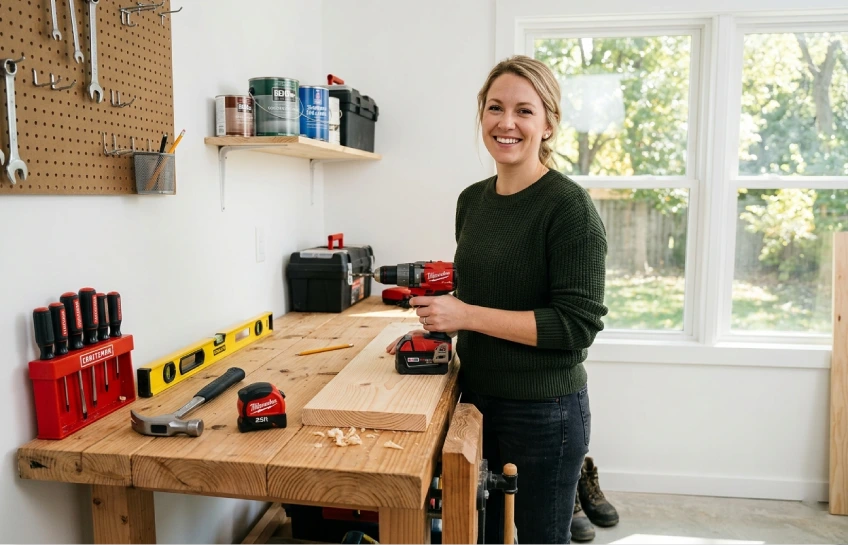
Most people who own a home for the first time feel a little overwhelmed when something breaks or looks outdated. They don’t know where to start, what tools to buy, or whether they’ll make things worse by trying to fix them. That feeling is completely normal. The good news? A lot of what feels complicated is actually pretty manageable once someone knows the basics.
This guide to home improvement for beginners walks through everything a first-timer needs — tools, planning, easy projects, safety habits, and how to gradually build real skills without wasting money. Whether someone’s dealing with a leaky faucet or just wants to freshen up a room with paint, this is the place to start.
Understanding the Basics of Home Improvement
Before touching anything, it helps to understand what “home improvement” actually covers. People often use the term loosely, but there are really three different things going on:
- Repairs — fixing something that’s broken (a leaky pipe, a cracked wall)
- Maintenance — keeping things in good shape before they break (cleaning gutters, replacing filters)
- Renovations — changing or upgrading something (new flooring, a kitchen refresh)
Beginners are usually best off starting with repairs and maintenance. These are lower stakes, take less time, and teach the foundational skills that make bigger renovations easier later.
It’s also worth setting realistic expectations upfront. Not every project will go perfectly on the first try. Things take longer than YouTube videos make them look. That’s fine. The point of starting small isn’t to get everything right immediately — it’s to get comfortable working with tools and solving problems.
Essential Tools Every Beginner Should Have
A lot of beginner DIYers make the mistake of buying tools as they go, picking up random things at the hardware store for each project. That approach gets expensive fast. It’s smarter to build a solid starter kit from the beginning.
Here are the basics every beginner should own:
- Hammer — for nails, minor demo work, and hanging things
- Screwdriver set — both flathead and Phillips in multiple sizes
- Tape measure — a 25-foot tape covers most jobs
- Level — keeps shelves, frames, and fixtures straight
- Utility knife — useful for scoring, cutting, and trimming
- Adjustable wrench — works with most nuts and bolts
- Pliers — needle-nose and standard are both worth having
- Cordless drill — this is the one tool worth spending a bit more on
For safety, beginners should also have work gloves, safety glasses, and hearing protection on hand before using power tools. These aren’t optional — they’re just smart.
Once someone’s comfortable with hand tools, beginner-friendly power tools like a jigsaw, orbital sander, or circular saw open up a lot more project options. But those can wait until the basics feel natural.
How to Plan Your First Home Improvement Project
Jumping into a project without planning is one of the most common beginner mistakes. Even a simple shelf installation can go sideways if someone doesn’t measure twice, check the wall for studs, or pick up the right hardware.
Here’s a simple planning process that works for most beginner projects:
- Set a budget first. Know the number before stepping into a store.
- Research the project. Watch a few videos, read a how-to, know what steps are involved.
- Write a materials list. Everything — screws, paint, drop cloths, sandpaper, whatever the project needs.
- Measure before buying. Wrong-sized materials are a common (and avoidable) waste of money.
- Build in extra time. Budget double the time a tutorial suggests, especially the first time.
For someone tackling their very first project, it also makes sense to do a dry run — lay everything out, walk through the steps mentally, and identify anything that might cause a problem before it actually does.
Easy Home Improvement Projects Beginners Can Start With
The best starter projects are low-cost, low-risk, and teach transferable skills. Here’s a breakdown by category:
Indoor Projects
- Painting a room — great first project; teaches prep work, cutting in, and rolling technique
- Replacing cabinet hardware — takes under an hour, makes a big visual difference
- Installing floating shelves — teaches how to find studs and use a level
- Patching nail holes in drywall — quick to learn, instantly satisfying
- Replacing a faucet aerator — one of the easiest plumbing fixes there is
Outdoor Projects
- Building raised garden beds — simple woodworking, no advanced cuts needed
- Installing pathway lights — low-voltage systems are beginner-safe and easy to set up
- Basic lawn edging or mulching — improves curb appeal with almost no skill required
These are the kinds of weekend projects that build confidence fast. Each one teaches something new — measuring, cutting, fastening, finishing — without putting anyone in over their head.
Basic Home Maintenance Skills Every Homeowner Should Learn
This is one area a lot of people ignore until something goes wrong. Regular maintenance is far cheaper than emergency repairs, and most of it isn’t hard to do.
Some of the most important maintenance tasks beginners should get comfortable with:
- Checking HVAC filters every 1–3 months and replacing them when dirty
- Cleaning gutters in fall and spring to prevent water damage
- Caulking around windows and tubs to keep out drafts and moisture
- Fixing squeaky hinges with a little oil or replacing worn door hardware
- Inspecting under sinks for drips or slow leaks before they become big ones
Patching small drywall holes is also worth learning early. Most homes get dings and nail holes over time, and a quick patch-and-paint fix keeps walls looking clean without calling anyone in.
Seasonal maintenance is worth putting on a calendar. Checking the roof before winter, clearing dryer vents, testing smoke detectors — these small habits keep a home in good shape and prevent the kind of surprise repair bills that really hurt.
Home Improvement Safety Tips Beginners Should Never Ignore
DIY is great for saving money and building skills. But there are real risks involved, especially when electricity or plumbing is part of the picture. Most beginner injuries come from skipping basic safety steps that would’ve taken 30 seconds.
A few rules that apply to almost every project:
- Always wear safety glasses when cutting, drilling, or working overhead
- Shut off the circuit breaker before touching any electrical fixture
- Turn off the water supply valve before working on any plumbing
- Use ladders on flat, stable ground — never lean too far to one side
- Read the instructions on tools, especially power tools, before first use
There are also jobs that beginners should simply not attempt. Major electrical work, load-bearing structural changes, and anything involving gas lines all require licensed professionals. That’s not about being timid — it’s just common sense. Some mistakes are expensive. Others are dangerous.
Knowing when to call a pro is part of being a competent DIYer, not a sign of failure.
Budget-Friendly Ways to Improve Your Home
One of the main reasons people get into DIY in the first place is to save money. And it absolutely works — when approached with some planning.
Low-cost upgrades that make a real visual difference:
- Fresh paint in a room (one of the highest-impact, lowest-cost improvements available)
- New light switch plates and outlet covers (often overlooked, but they age and yellow)
- Updated cabinet pulls and drawer handles
- New caulk around tubs, sinks, and backsplashes
- A fresh coat of exterior paint on the front door
For materials, places like Habitat for Humanity ReStores often carry discounted building supplies. Buying in bulk for larger projects saves money. And comparing prices between stores — even online — before buying anything cuts costs noticeably over time.
DIY projects that also add real home value include finishing a basement space, adding a deck or patio, improving insulation, and upgrading to energy-efficient windows. These require more skill and budget, but they pay off both in comfort and resale value.
How to Build Confidence and Move to Bigger DIY Projects
There’s a natural progression to getting good at home improvement. Nobody starts by remodeling a bathroom. It builds — tool by tool, project by project.
For beginners who want to keep learning, a few reliable approaches work well:
- Watch tutorials before starting a project, not just during it. Understanding the whole process first prevents surprises mid-job.
- Keep a simple project log. Writing down what worked, what didn’t, and what to do differently next time speeds up the learning curve.
- Join communities. Reddit’s r/DIY is a good example — millions of people share projects, ask questions, and give honest feedback.
- Visit hardware stores with questions. Staff at stores like Home Depot or Lowe’s are usually genuinely helpful, especially if someone comes in with a specific problem.
A long-term roadmap also helps. Someone might spend their first year on painting, basic repairs, and maintenance. The next year they might take on a bathroom refresh or install new flooring. Bigger projects like kitchen remodels or adding a room come later, once the fundamentals are solid.
The point is to keep moving forward, not to rush.
Wrapping Up: Starting Small Is the Right Call
Getting into home improvement doesn’t require experience, a big budget, or a garage full of tools. It starts with a few basics, a willingness to learn, and the sense to tackle something manageable first.
This guide to home improvement for beginners covers the foundation: knowing the difference between repairs, maintenance, and renovations; building a practical tool kit; planning projects before starting them; staying safe; and working within a budget. These aren’t advanced concepts — they’re just things most people don’t think about until they’ve already made a few expensive mistakes.
Anyone who starts small, stays patient, and actually finishes a few beginner projects will be surprised how quickly confidence builds. The skills carry over. The comfort level grows. And eventually, the jobs that used to feel intimidating become routine.
Ready to get started? Pick one small project this weekend — even just patching a hole or replacing a cabinet knob — and see how it goes. Then browse the rest of this site for guides on specific projects, tool recommendations, and step-by-step tutorials built for beginners.

Other Articles

Best Free Online Courses That Are Actually Worth It in 2026
How to Get a Competitive Edge in The Serpent Rogue

No Comment! Be the first one.