

If you’ve been dealing with cold sores or genital herpes outbreaks, you’ve probably typed “Herpesyl reviews” into Google late at night, hoping for good news. Maybe you saw an ad promising a “natural cure” and thought, could this actually be real? Or maybe you already tried a few things that didn’t work, and you’re tired of wasting money.
You’re not alone. A lot of people searching for Herpesyl reviews aren’t looking for hype. They want a straight answer: is this worth trying, or is it just another supplement riding on big promises?
Let’s break it down honestly.
The Simple Truth First
Here’s the direct answer: no supplement cures herpes. Not Herpesyl, not any other pill sold online. Herpes simplex virus (HSV-1 and HSV-2) stays in your body for life once you have it. Current medical science, including antiviral drugs like acyclovir and valacyclovir, can manage outbreaks and lower the chance of spreading the virus. But nothing removes it completely.
So when you see claims that Herpesyl can “destroy the virus” or let you “stop worrying about protection,” treat that as a red flag. That’s marketing language, not medical fact.
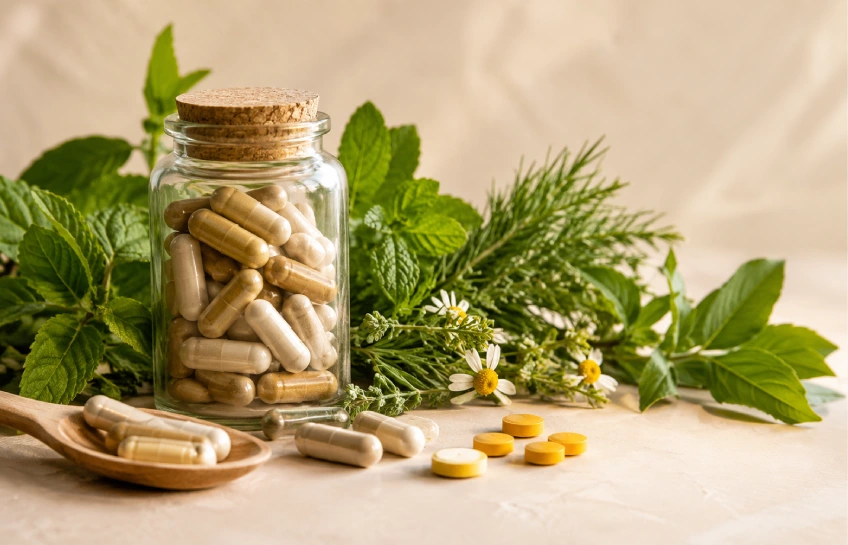
What Herpesyl actually is: a dietary supplement made from a mix of vitamins, minerals, and plant extracts (the maker lists ingredients like graviola, shiitake mushroom, and burdock root, along with other vitamins). It’s sold as general immune support, not as a regulated treatment.
Why People Are Confused About Herpesyl
The confusion isn’t random. A few things drive it:
- Aggressive marketing. Sales pages often use dramatic phrases like “medical breakthrough” or claim researchers found a hidden cause of herpes in the brain. These claims aren’t backed by peer-reviewed clinical trials.
- No independent clinical studies. There’s no published research showing Herpesyl reduces outbreaks or fights HSV. Reviews of ingredients alone (like general immune-boosting properties of certain herbs) don’t prove the finished product works the way the ads say.
- Mixed real user reviews. On retail sites, feedback is genuinely split. Some buyers report satisfaction; others say the product didn’t help, or that ingredients or packaging didn’t match what they expected from resellers.
- Where it’s sold. Herpesyl is distributed through BuyGoods, an online retail platform similar to ClickBank. This isn’t automatically a scam sign, but it does mean the product is sold as a supplement, not reviewed or approved as a drug.
It’s worth knowing that dietary supplements in the US aren’t approved by the FDA the way medications are. Manufacturing facilities can be FDA-registered and follow Good Manufacturing Practice (GMP) standards, but that only means the facility meets basic quality rules. It doesn’t mean the FDA verified the product’s health claims.
For general background on herpes management and what’s actually proven to work, the CDC’s herpes fact sheet is a reliable place to check symptoms, treatment options, and prevention basics.
A Simple System to Evaluate Herpesyl (Or Any Similar Supplement)
Instead of trusting the sales page or a random forum comment, run any herpes supplement through this checklist:
- Understand the basics of herpes first. Know that HSV has no cure, and any product claiming otherwise is overselling.
- Read the ingredient list carefully. Look up each ingredient separately. Some (like certain vitamins or plant extracts) have general immune-support research behind them. That’s different from proof they treat herpes specifically.
- Check for real clinical evidence. Search for the product name plus “clinical trial” or “peer-reviewed study.” If nothing independent comes up, that tells you something.
- Look at a range of user reviews, not just testimonials on the official site. Retail platforms and independent forums usually give a more balanced picture.
- Know the medical risks. Even natural ingredients can interact with medications or cause allergic reactions. Check with a pharmacist or doctor, especially if you take other prescriptions.
- Set realistic expectations. At best, a supplement like this might support general immune health. It is not a replacement for antiviral medication if your doctor has prescribed one.
What Realistic Results Might Look Like
If you decide to try Herpesyl, here’s a fair picture of what could happen:
- Some people report feeling like their general health or energy improved, which may indirectly help with stress-related outbreak triggers.
- Some people notice no difference at all.
- Nobody should expect it to stop an active outbreak, cure the virus, or make it safe to skip protection during intimacy.
Think about someone hoping to avoid a cold sore breakout before a big event, or someone in a relationship who’s anxious about transmission. A supplement like this won’t solve either of those problems on its own. Managing stress, sleep, and known triggers, alongside medical advice, is what actually has evidence behind it.
Common Traps to Avoid
- Believing “cure” claims. If a product says it eliminates herpes for good, that claim isn’t supported by mainstream medicine.
- Stopping prescribed antivirals without talking to your doctor. Even if you want to try a supplement, don’t quit medication that’s already controlling your outbreaks.
- Buying from unofficial third-party sellers. Reviews mention counterfeit or mismatched products sold by resellers. If you choose to try it, buying from the official source reduces (but doesn’t eliminate) that risk.
A Realistic Decision Example
Say you’ve had occasional cold sore outbreaks for years and you’re curious about Herpesyl. Using the checklist above, you’d:
- Confirm there’s no cure claim you’re falling for.
- Check the ingredient list and note it’s mostly general immune-support vitamins and herbs.
- Search for independent trials and find none specific to Herpesyl.
- Read reviews on Walmart or independent forums, seeing a mix of positive and negative feedback.
- Talk to your doctor, especially if you’re on antiviral medication already.
Based on that, you might decide to try it only as an extra, low-risk addition to your existing care, not as a replacement for anything your doctor recommends. Or you might decide the lack of solid evidence isn’t worth the cost. Both are reasonable choices.
Quick Takeaways
- Herpesyl is not a cure for herpes. No supplement is.
- It’s a general immune-support supplement, not a medically proven antiviral treatment.
- There’s no independent clinical trial proving it reduces outbreaks.
- User reviews are mixed, not universally positive.
- Talk to a doctor before starting it, especially if you’re on prescribed antivirals.
FAQs
Can Herpesyl cure herpes? No. Herpes has no cure. Any product claiming otherwise is not being medically accurate.
Is Herpesyl safe? It’s made from vitamins and plant extracts, generally considered low-risk for most healthy adults. But “natural” doesn’t mean risk-free. Check with a doctor or pharmacist, especially if you take other medications.
How long until I see results? There’s no verified timeline, since there’s no independent clinical data. Some users report noticing changes within weeks; others notice nothing.
Can I take Herpesyl with antivirals? Possibly, but don’t stop or change your prescribed antiviral medication without talking to your doctor first.
Is Herpesyl a scam? It’s a real, sellable product, not a fake listing. But its marketing overstates what a supplement can realistically do. Treat the “cure” language with skepticism, and make your decision based on ingredients and evidence, not the sales pitch.
Final Word
You don’t need to feel confused or pressured by flashy ads. Herpes is manageable with proven medical care, and any supplement — Herpesyl included — is, at best, a support option, not a replacement. Use the checklist above, talk to your doctor, and make the choice that fits your actual health needs, not a marketing headline.

Other Articles

Lazy Sunday: How to Use One Day to Reset Your Mind and Week
Is Mangago Safe to Use in 2026? What You Need to Know

No Comment! Be the first one.