

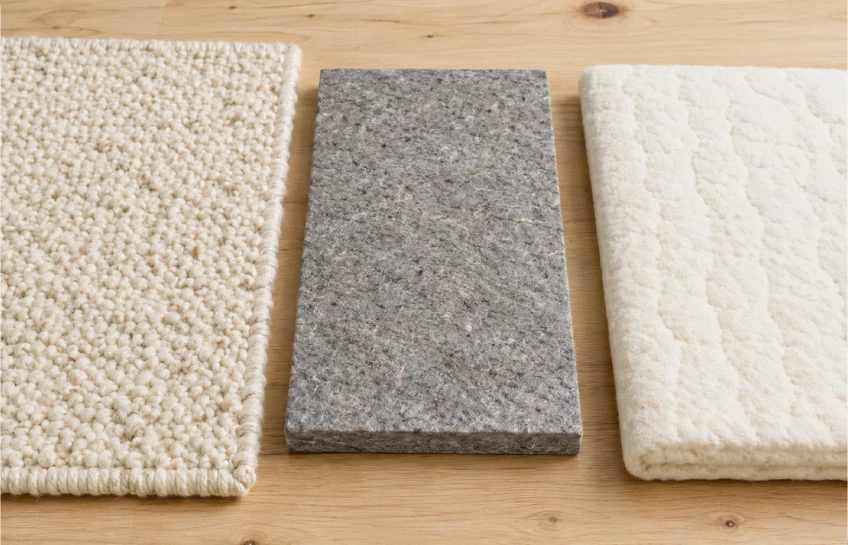
Wollmatten, which translates from German as “wool mats,” are dense, natural mats made from sheep’s wool — and they’re more useful than most people realize. They turn up as floor rugs in bedrooms, as acoustic panels in studios, and as pressing mats on quilting tables. This article walks through what wollmatten are, the main types, their core benefits, how they’re made, how to care for them, and what to check before buying one.
What Is Wollmatten?
The word “wollmatten” comes from German: wolle (wool) and matten (mats). In practical terms, it refers to thick mats made from natural sheep’s wool that’s been processed into a dense, workable form. Depending on how they’re made, they can be soft and decorative or firm and heat-resistant.
Three main manufacturing methods are used. Felting bonds fibers together using heat and moisture. Needle-punching drives barbed needles repeatedly through loose wool to mechanically entangle the fibers. Weaving, the oldest method, creates patterned rugs on a loom. Each process results in a different texture, density, and end use.
By 2026, wollmatten have been picking up steady interest among buyers who want natural, low-chemical alternatives for their homes and craft spaces. They’re not a passing trend — they’ve just quietly become a sensible choice for people moving away from synthetic materials.
Core Benefits of Wool Mats
Wool fibers have a natural crimp that traps tiny air pockets. That structure makes wollmatten effective thermal insulators. Underfoot, they feel noticeably warmer than bare tile or wood — especially in cooler months — and they help maintain a more consistent surface temperature in the room without any added products.
Durability is another honest advantage. Good wool mats spring back after pressure rather than flattening permanently, so they hold up under regular foot traffic better than many synthetic rugs at a similar price point.
A few more practical benefits:
- Natural wool fibers breathe and help regulate moisture in the surrounding area
- Wollmatten absorb sound well, reducing echo in rooms and work areas
- Many products made from clean, untreated wool are suitable for people with sensitivities
Main Types of Wollmatten
There are three broad categories, each designed for a different job:
| Type | Typical Use | Key Characteristics |
|---|---|---|
| Floor wool mat | Living areas, hallways | Soft, insulating, decorative |
| Insulation panel | Walls, floors, studios | Dense, sound-absorbing, thermal barrier |
| Pressing mat | Quilting, sewing | High-density, holds heat, non-slip |
Floor mats are the most familiar type — used as rugs, runners, and bedside mats to add warmth and texture to a room. Insulation panels are denser and designed for acoustic or thermal performance in studios, offices, or home workspaces. Pressing mats are a specialist product built for quilting and sewing, where controlled, concentrated heat is needed at the work surface.
Uses in Homes and Workspaces
In everyday home settings, wollmatten work well in living rooms, hallways, and bedrooms. They add warmth underfoot and a layer of acoustic softness that synthetic rugs don’t replicate as naturally. Wool rugs and mats — including wollmatten-style products — are also widely available through local sellers and online platforms in markets like Pakistan.
Craft rooms and sewing studios are another common setting. A wool pressing mat holds heat rather than letting it escape, which means ironing a seam presses both sides at once. That’s a real time-saver for anyone who quilts regularly or sews with a lot of layered fabric.
Some people also use thicker wool mats for yoga or low-impact exercise. They don’t replace a dedicated yoga mat in every situation, but the natural texture and temperature regulation make them a worthwhile option for anyone who prefers natural materials over foam.
How Are Wollmatten Made?
It starts with shearing — typically done once a year — after which the raw wool is cleaned to remove dirt, lanolin (the natural oil), and other impurities. That cleaning stage is essential before the fiber can be processed into mat form.
After cleaning, the production method shapes the final product. Felted mats are compact and dense. Needle-punched mats are mechanically strong and often used for insulation or heavy-use surfaces. Woven mats tend to be more decorative and are the type most people picture when they think of a wool rug.
Some producers are also reducing their use of synthetic dyes and lowering energy consumption in processing. That makes wollmatten a more sustainable product compared with petroleum-based synthetic mats, where the environmental trade-offs are harder to avoid.
Care and Cleaning Guidelines
For floor wollmatten, regular vacuuming keeps fibers clean without damaging them. Spot-clean spills quickly using a damp cloth and mild soap, and always follow the care label — wool can shrink or warp if washed in hot water or handled roughly.
Pressing mats need a different approach. They’re made for dry heat only, so don’t soak or wet them down. After heavy ironing sessions, let the mat cool and dry flat before putting it away. All wool mats store best in a dry, well-ventilated spot — damp or sealed storage leads to odors over time.
Buying Checklist and Sizing
Check the material label first. A “100% natural wool” label means you’re getting the full benefit of the fiber — better insulation, better durability, and more natural breathability than a synthetic blend. Density is the second thing to assess: a denser mat holds shape longer and insulates better underfoot.
Pressing mat sizing is fairly standardized. A 13.5 × 13.5 inch mat covers most regular sewing tasks, while larger options around 17 × 24 inches handle bigger quilting projects. For floor mats, measure the space first — a mat that’s too small for the room or too close to furniture edges tends to get moved constantly.
A few final things to confirm before purchasing:
- Does the mat size fit your room layout and furniture footprint?
- Does the texture and color work with what’s already in the space?
- Is it available locally, or will shipping add significant cost or delays?
Conclusion
Wollmatten serve three distinct purposes — floor covering, acoustic insulation, and quilting surface — depending on the type and density you choose. What connects all three is the raw material: natural sheep’s wool that insulates, breathes, and holds up better over time than most synthetic alternatives.
Getting the right one is straightforward. Match the type to your actual use, check the density and wool content on the label, confirm the size fits your space, and store it in a dry spot. That’s genuinely all the maintenance wollmatten need to stay useful for years.

Other Articles

No Comment! Be the first one.