

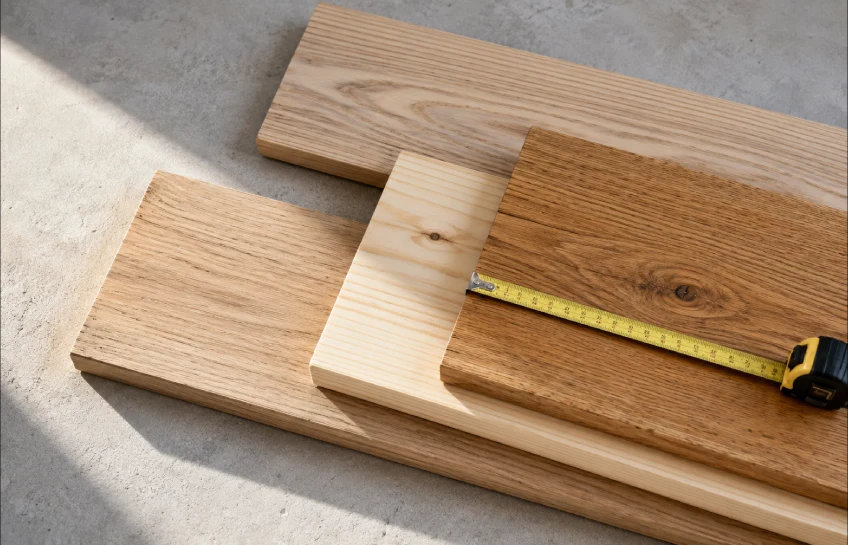
If you’ve ever walked through a construction site or browsed a timber yard, you’ve probably come across plangud without even knowing the word. In Estonian, plangud simply means planks — the flat, sturdy boards used in everything from flooring and terraces to scaffolding platforms and wall cladding. They’re one of the most widely used building materials out there, and once you understand what they are and how they work, picking the right ones for your project becomes a lot easier.
What Are Plangud and Where Are They Used?
Plangud are wooden boards — usually cut from solid timber — used across a wide range of construction and interior projects. They’re thicker and wider than standard boards, which makes them suited for load-bearing and structural purposes.
You’ll find them in:
- Flooring — as the base layer or the finished surface
- Terraces and decking — where weather resistance matters
- Facade cladding — adding a natural look to exterior walls
- Scaffolding platforms — as the walking surface on temporary structures
- Furniture frames — for strength and stability in custom builds
- Interior wall panels — for that warm, textured look
Construction workers use them on scaffolding every single day. Homeowners use them for terrace decks. Interior designers use them for accent walls. The use cases are pretty broad.
Wood Species Compared: Oak, Pine, Ash, and More
Not all plangud are the same. The wood species makes a big difference in how the plank performs — and how long it lasts.
Oak is one of the most popular choices. It’s dense, hard, and handles moisture well. Oak plangud are common in flooring, furniture, and high-traffic areas because they don’t wear down quickly.
Pine is lighter and cheaper. It’s easier to cut and shape, which makes it a go-to for framing and structural work where you’re not looking at the finished surface. It does need treatment if it’s going outside, though.
Ash is tough and flexible, which makes it good for areas that take impact. Maple has a fine grain and a clean look — often used for interior surfaces where appearance counts. Mahogany and walnut are on the premium end, used in high-end furniture and feature walls.
A quick comparison:
| Wood Type | Hardness | Best For | Cost Range |
|---|---|---|---|
| Oak | High | Flooring, furniture | Medium–High |
| Pine | Low–Medium | Framing, structural | Low |
| Ash | High | Impact-heavy areas | Medium |
| Maple | Medium–High | Interior surfaces | Medium |
| Walnut | High | Feature pieces | High |
Plangud on Scaffolding: Safety, Standards, and Steel Planks
When plangud are used on scaffolding, the stakes are higher. These are the boards workers stand on while working at height, so there’s no room for cutting corners.
Scaffold plangud need to meet specific load-bearing standards. In most European markets, planks used on scaffolding must comply with EN 12811 or similar standards covering thickness, span, and weight capacity.
Wooden scaffold planks are the traditional choice. They’re lightweight and easy to handle. The downside is that they absorb moisture over time, which can reduce their strength. Any wooden scaffold plank used outdoors should be inspected regularly for cracks, rot, or warping.
Steel scaffold planks are heavier but more durable. They don’t rot, they handle wet conditions better, and they have a longer service life. They’re common on larger commercial and industrial sites.
A few things to always check on scaffold plangud:
- No visible cracks or splits
- No signs of rot or discoloration from moisture
- The plank isn’t bowed or twisted
- Load rating matches the expected weight on the platform
Key Dimensions and Technical Specs
When you’re buying plangud, the measurements matter. Getting the wrong dimensions can mean the plank doesn’t fit, can’t carry the load, or ends up wasting material.
Common plank dimensions you’ll see listed:
- Thickness: 25 mm, 38 mm, or 50 mm are standard
- Width: 100 mm, 150 mm, up to 600 mm for wide-format planks
- Length: 2400 mm, 3000 mm, 4800 mm — depending on the application
For scaffold planks specifically, 38 x 225 mm or 50 x 250 mm cross-sections are typical. For flooring and decking, thinner planks (19–25 mm) with wider faces are more common.
Other technical details to check:
- Moisture content — kiln-dried timber typically has 8–12% moisture, which reduces warping
- Treatment — antiseptic treatment is needed for planks used outdoors or in damp conditions
- Load rating — measured in kg/m², critical for scaffold planks
- Certification — look for CE marking or national timber quality marks
How to Choose the Right Plangud for Your Project
The right plank depends on where it’s going and what it needs to do. Here’s a simple way to think through it:
For flooring indoors — go with oak or maple, kiln-dried, with a smooth finish. Thickness around 19–25 mm is usually enough.
For outdoor terraces — you need treated timber. Pine or heat-treated ash work well. Make sure the plank is rated for outdoor use and has some surface texture so it’s not slippery when wet.
For facade cladding — the plank needs to handle UV exposure and rain. Thermally modified timber or naturally durable species like oak or larch are the safer bet.
For scaffolding — always check the load rating and compliance standard. Don’t use decorative planks here; get planks specifically rated for scaffolding use.
For furniture — go for appearance and workability. Walnut, maple, and oak all look great and are easy to finish.
Common mistakes people make:
- Using untreated pine outdoors (it rots fast)
- Buying too-thin planks for flooring (they flex and creak underfoot)
- Ignoring moisture content (wet timber warps after installation)
- Skipping load ratings for scaffold use (genuinely dangerous)
Installation and Maintenance: Floors, Terraces, and Facades
Getting plangud installed correctly is as important as choosing the right ones. A good plank on a bad substructure will still cause problems.
For flooring, the subfloor needs to be flat and dry. Leave small expansion gaps (around 10–15 mm at the edges) because timber moves with changes in humidity. Use appropriate fixings — either secret-nailed through the tongue or surface-screwed depending on the plank type.
For terraces and decking, the supporting joists should sit level and be spaced no more than 400–600 mm apart for standard decking planks. Leave a 3–5 mm gap between boards for water drainage. Use stainless steel or galvanized screws to avoid rust stains.
For facade cladding, the battens behind the planks need to allow ventilation. Without a proper air gap, moisture gets trapped and the timber deteriorates faster.
Maintenance-wise, wooden plangud don’t need a lot of attention but they do need some:
- Oil or treat outdoor planks every 1–2 years to keep them water-resistant
- Check scaffold planks before each use for damage
- Clean regularly — dirt and debris trap moisture, which leads to staining and rot
- Sand and re-finish indoor floors every few years if they get heavy use
Sustainability: Plangud as an Eco-Friendly Building Material
Wood is one of the few building materials that actually stores carbon rather than releasing it. When timber comes from responsibly managed forests, it’s a renewable resource that supports rather than harms the environment.
Look for plangud with certifications like FSC (Forest Stewardship Council) or PEFC (Programme for the Endorsement of Forest Certification). These labels confirm the wood came from forests that are managed sustainably.
Low-emission planks matter indoors too. Some wood products are treated or glued with adhesives that off-gas volatile organic compounds (VOCs). If you’re using plangud inside your home, check that they meet E1 or E0 emission standards — especially for flooring and wall panels in rooms with limited ventilation.
Thermally modified timber is another good option. It’s treated with heat instead of chemicals, which makes it durable and weather-resistant without adding synthetic preservatives.
Where to Buy Plangud and What to Look For in a Supplier
Plangud are available from sawmills, building material retailers, specialist timber suppliers, and online shops. In Estonia and the Baltic region, you’ll find them at local saekaatrid (sawmills) and national building chains alike.
When comparing suppliers, check:
- Species and grade clearly labeled — don’t buy mystery timber
- Moisture content stated — especially important for flooring planks
- Treatment options — antiseptic, thermal, or untreated
- Delivery to site — useful for large construction orders
- Cut-to-size service — saves time and reduces offcuts
- Return or exchange policy if the planks arrive damaged
Prices vary a lot depending on wood species, dimensions, and treatment. Oak plangud cost more than pine, and thermally modified timber sits at a premium over standard treated wood. Always get quotes from two or three suppliers before committing to a large order.
Conclusion
Plangud aren’t complicated, but there’s more to them than just “a wooden board.” The species, dimensions, treatment, and intended use all play into whether a plank is the right fit for your project. Whether you’re building a terrace, setting up scaffolding, or fitting a new floor, taking a bit of time to understand what you’re buying will save you money and headaches down the line.
If you’re starting a new project and not sure where to begin, reach out to a local timber supplier or construction specialist — most are happy to help you match the right plangud to your specific needs. And if this article helped you, share it with someone who’s got a build or renovation coming up.



No Comment! Be the first one.