

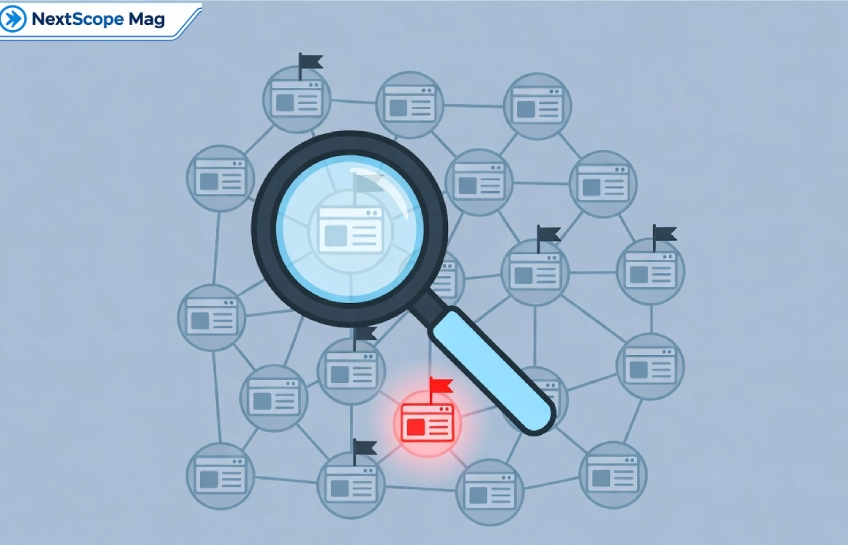
If you searched for liatxrawler, you probably found a dozen articles that all say the same thing. They call it an AI-powered web crawler. They say it’s 40% faster than normal scrapers. They say it’s GDPR compliant.
Here’s the direct answer: there is no real product called liatxrawler. No company owns it. No website sells it. No app lets you download it. The name only exists inside a cluster of blog posts that copy each other’s claims.
This article breaks down what’s really going on, and what you can use instead if you actually need a web crawling tool.
What Is Liatxrawler? The Quick Answer
Liatxrawler is not a real, verifiable software product. It has no official website, no company behind it, no GitHub page, no app store listing, and no pricing page anywhere online.
The name shows up only in SEO articles that describe it as an “AI-powered crawler.” These articles all repeat the same details word for word, in different orders. That pattern is a strong sign of AI-generated content built around a keyword, not a real tool.
What These Articles Claim Liatxrawler Can Do
Even though the product isn’t real, the articles about it are surprisingly detailed. Here’s what they typically claim:
- Uses AI and machine learning to understand website content
- Handles JavaScript-heavy pages with headless browsers
- Processes 10,000 pages per hour
- Runs 40% faster than “traditional” scrapers
- Follows robots.txt rules automatically
- Exports data to CSV, JSON, or a database
- Meets GDPR and privacy compliance standards
Notice how generic this list is. It reads like a description of what a good crawler should do, not a report on a product someone actually tested.
The Real Problem: No Company, No Product, No Proof
There’s Nothing to Buy or Download
A real software tool has a homepage. It has a sign-up page, a pricing table, or at least a contact page. Liatxrawler has none of this. Every single link related to the name points to a blog post, never to a product.
The Same Claims, Copied Everywhere
Search for liatxrawler and you’ll find nearly identical wording on different websites, run by different people, in different niches. A chromebook review site, a linux tutorial site, a gaming blog, and a lifestyle blog all describe it using the exact same “40% faster” statistic. None of them link to a source for that number.
| Claim | Found on how many unrelated sites | Original source cited? |
|---|---|---|
| “40% faster than traditional scrapers” | 6+ | No |
| “10,000 pages per hour” | 3+ | No |
| “GDPR and CCPA compliant” | 4+ | No |
| Official product link | 0 | N/A |
One site even admits this directly, stating plainly that there is no clear official product behind the name.
Why This Happens
Content networks sometimes build articles around a made-up product name to farm search traffic. An AI tool generates a plausible-sounding description, other sites copy or reword it, and search engines start ranking pages for a term that never had a real thing behind it. Once a few pages exist, more get written to “compete,” and the cycle grows.
How to Spot a Fake Product Keyword Like This
Next time you research an unfamiliar tool name, check these signs before trusting an article:
- Search for the name plus “pricing” or “official site.” If nothing comes up, be cautious.
- Look for a real company name, founder, or business address tied to the product.
- Check if any independent reviews, forum posts, or social media mentions exist outside of blog articles.
- Watch for identical statistics repeated across unrelated websites with no source link.
- See if the “About” page of the articles themselves gives any real company details.
If a tool fails most of these checks, treat any claims about it as unverified.
Real Web Crawling Tools You Can Actually Use
If you’re looking for a genuine tool to crawl websites and extract data, these are established, verifiable options:
| Tool | Best For | Notes |
|---|---|---|
| Scrapy | Developers who want full control | Open-source Python framework |
| Apify | No-code to advanced scraping | Cloud-based, has a real pricing page |
| Octoparse | Non-technical users | Point-and-click interface |
| Browse AI | Monitoring site changes | No-code, has a public product site |
| Playwright / Puppeteer | JavaScript-heavy sites | Browser automation libraries, open-source |
Each of these has a real website, real documentation, and real user reviews you can check yourself.
FAQs
Is liatxrawler a real software product? No. There’s no official website, company, or download tied to the name. It only appears in blog articles that repeat the same unverified claims.
Why do so many websites have articles about liatxrawler? This pattern usually happens when AI-generated content spreads a made-up product name across many sites, each one copying details from the others instead of an original source.
Can I still use the “features” described in these articles? The features described, like headless browser crawling or JavaScript rendering, are real crawling techniques. They just aren’t tied to an actual product called liatxrawler. You can find these features in real tools like Scrapy, Apify, or Playwright.
How do I check if a tool name is real before trusting an article about it? Search for the name along with “pricing,” “official site,” or “reviews.” If you can’t find a real company, product page, or independent review, treat the claims with caution.
Conclusion
Liatxrawler is a useful example of how search results can fill up with confident-sounding articles about something that doesn’t exist. The techniques these articles describe, like AI-based crawling and headless browsers, are real. But the specific product name isn’t backed by any company, website, or user you can verify.
If you need a crawling tool for research, SEO, or business data, stick to established options like Scrapy, Apify, or Octoparse. They have real teams behind them, and you can check their claims yourself.

Other Articles

Zvodeps Explained: Why This Buzzword Has No Real Meaning

No Comment! Be the first one.