

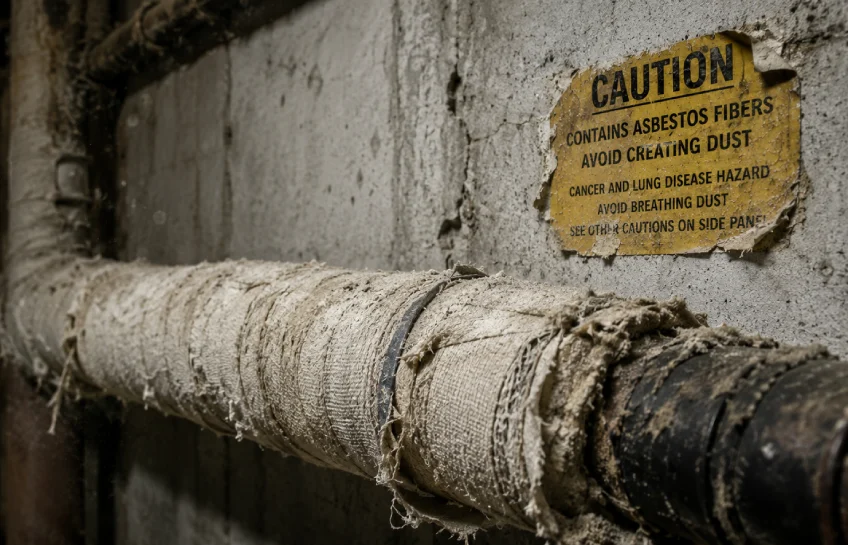
If someone brought up the word “asbestlint” in conversation, most people would stop and ask what it means. It’s not a term that comes up in everyday talk — but online, it’s been appearing more and more, especially in health, safety, and home renovation discussions.
So what exactly is asbestlint? Where does it come from? And should people be worried about it?
This guide covers all of it — from what the word actually means to how it forms, where it’s typically found, and what to do if there’s a real chance of exposure.
What Is Asbestlint?
“Asbestlint” is a term used to describe fine, lint-like fibers or particles that shed from asbestos-containing materials (ACMs). When old asbestos tape, rope, or insulation starts breaking down, it doesn’t just crumble into chunks — it releases tiny, nearly invisible fibers, similar to how a worn piece of fabric leaves lint behind. That’s the core idea behind the word.
It’s worth knowing that “asbestlint” doesn’t appear in any official scientific database or government regulation as a formally recognized material. Several sources note it’s more of a descriptive internet term than a certified technical classification.
Interestingly, the word has roots in Dutch, German, and Scandinavian languages. In those languages, “asbest” means asbestos and “lint” translates to rope, tape, or wick. So “asbestlint” quite literally means asbestos rope or tape — a product once widely used in construction and industrial settings for its heat resistance.
For practical purposes, the term describes fine airborne fibers shed from deteriorating asbestos products. Whatever someone calls it, the concern stays the same: those tiny fibers can become airborne, get inhaled, and cause serious long-term health damage.
How Asbestlint Forms in Homes and Buildings
Asbestos was heavily used in construction from the early 1900s through the 1980s — in insulation, floor tiles, ceiling tiles, pipe wraps, and even some household appliances. When those materials are in good condition and left undisturbed, they generally don’t shed fibers. The problem starts when they age, get damaged, or get disturbed during work.
Deterioration of Asbestos-Containing Materials
Over time, asbestos products become what’s called “friable” — meaning they crumble easily when touched or agitated. Heat-resistant tapes and ropes made with asbestos shed fibers as their binding agents break down. Pipe and boiler insulation follows the same pattern.
HVAC systems are a particular concern. If old ductwork or insulation inside a ventilation system degrades, it can push asbestlint-type particles through the air every time the system runs. That’s one reason older industrial buildings and pre-1980s schools tend to get flagged for inspection more often.
Renovation work makes things significantly worse. Cutting, sanding, drilling, or demolishing walls that contain asbestos materials sends fiber counts up sharply. Anyone working on a pre-1980s building without proper testing could easily disturb asbestlint without knowing it.
Health Risks Linked to Asbestlint Exposure
This is where things get serious. The health risks from asbestlint are the same as general asbestos exposure — because at the end of the day, it’s the same type of fiber causing the damage.
When someone inhales these particles, the fibers lodge deep in lung tissue. The body can’t break them down or flush them out, so they stay there. Over years or decades, they cause real, irreversible damage.
Conditions Linked to Exposure
Doctors and occupational health specialists have connected asbestos fiber inhalation — including from deteriorating materials like asbestos tape and rope — to three main conditions:
- Asbestosis — Scarring of lung tissue that makes breathing progressively harder over time.
- Lung cancer — Long-term exposure significantly raises the risk, particularly in people who also smoked.
- Mesothelioma — A rare and aggressive cancer affecting the lining of the lungs, abdomen, or heart. It’s almost exclusively caused by asbestos exposure.
The tricky part is that these diseases don’t show up right away. Symptoms often take 10 to 40 years to develop, which means someone exposed in the 1980s might only be getting a diagnosis today. That long delay is exactly why taking asbestlint risks seriously — even in buildings that seem perfectly stable — still matters.
Common Places Where Asbestlint May Be Found
Not every building is a concern, but certain environments carry a much higher chance of containing materials that shed asbestlint-type particles.
Residential Properties
Homes built before 1985 are the biggest concern. Asbestos was commonly used in:
- Pipe and boiler insulation
- Attic insulation materials
- Floor and ceiling tiles
- Textured wall and ceiling coatings
- Tape and joint compound used in wall construction
Basements and attics are worth checking carefully — that’s where pipe insulation and older HVAC components tend to sit undisturbed for decades.
Industrial and Post-Industrial Sites
Factories, power plants, shipyards, and chemical processing facilities used asbestos extensively. In many older industrial buildings, asbestos rope and tape sealed high-temperature pipes and equipment. As those age, the materials start breaking down.
Schools and hospitals built before asbestos bans also carry risk. These buildings often had extensive pipe and HVAC insulation that hasn’t always been fully removed or properly encapsulated.
How to Detect and Test for Asbestlint
Here’s the thing: nobody can see asbestlint with the naked eye. The fibers are microscopic. A building can look completely fine and still have airborne fiber levels that are unsafe to breathe.
Why Professional Testing Matters
Relying on sight or smell to detect asbestlint doesn’t work. Asbestos fibers have no odor and can’t be seen without lab equipment. The only reliable way to know if a building has an airborne problem is through air sampling — certified professionals collect air samples and send them to an accredited lab for analysis.
For solid materials — old tiles, pipe insulation, ceiling boards — professionals take a physical sample and examine it under a microscope. This is called bulk sampling, and it tells the inspector whether the material contains asbestos and what type.
Hiring a certified asbestos inspector before any renovation or demolition on an older building is the right move. DIY testing kits exist but are generally considered less reliable than professional analysis and shouldn’t be the only line of defense.
Safe Handling, Removal, and Cleanup Procedures
If asbestlint contamination is confirmed, grabbing a broom and starting cleanup isn’t the answer. Standard vacuum cleaners actually spread asbestos fibers further into the air. The process has to follow strict procedures from start to finish.
Why DIY Removal Is Dangerous
Trying to remove asbestos-containing materials without proper training and equipment is genuinely risky. Disturbing the material without the right protection can release large numbers of fibers all at once — turning a manageable situation into a much more serious one.
Professional Abatement Steps
A licensed asbestos abatement contractor will typically:
- Seal off the affected area using negative pressure enclosures to stop fibers spreading
- Wear full protective gear — respirators with HEPA filters, disposable coveralls, and gloves
- Wet the material before removal to reduce how many fibers become airborne
- Use HEPA vacuums, not standard ones, for cleanup
- Seal removed materials in labeled asbestos disposal bags
- Dispose of waste following local regulations, which often require a licensed disposal facility
Costs vary widely depending on the size of the job and the severity of contamination. But it’s a necessary expense. There’s no safe shortcut here.
Legal, Workplace, and Regulatory Considerations
Asbestos — and anything that releases asbestos-type fibers — is heavily regulated in most countries. Employers and landlords carry specific legal obligations to protect the people who live or work in their buildings.
In many regions, workplace safety authorities like OSHA (in the US) set strict limits on how much airborne asbestos fiber workers can legally be exposed to. Employers in industries where old asbestos materials are present — construction, demolition, HVAC maintenance — are legally required to conduct risk assessments, provide proper PPE, and arrange professional removal when needed.
Landlords renting out older properties carry responsibility too. In the UK, for example, the duty to manage asbestos in non-domestic buildings is a legal requirement, not a guideline. Failing to comply can result in significant fines and legal liability.
Anyone planning a renovation on a pre-1985 building should check local regulations before breaking a single wall. In many places, demolition or major renovation contracts on older buildings legally require a full asbestos survey beforehand.
Preventing Future Asbestlint Risks
Managing the risk of asbestlint exposure isn’t always about full-scale removal. In many cases, properly maintained asbestos-containing materials that aren’t disturbed are actually safer left in place than removed incorrectly.
Maintenance of Older Buildings and HVAC Systems
Regular inspections of older buildings help catch deteriorating materials early, before they start shedding significant amounts of fiber. HVAC systems should be checked regularly — especially if the building is old enough to have had asbestos insulation inside the ductwork.
When asbestos materials are still in reasonable condition, a process called encapsulation can sometimes replace full removal. This involves sealing the material with a special coating that binds the fibers and stops them becoming airborne. It’s cheaper than abatement and works well when the material isn’t too far gone.
Best Practices During Renovations
Anyone planning work on an older property should follow these steps:
- Get a professional asbestos survey done before starting any work
- Don’t touch or disturb suspicious material until it’s been tested
- Hire licensed contractors for any work involving confirmed asbestos-containing materials
- Keep records of all surveys and abatement work carried out on the property
These aren’t just good habits — in many places, they’re legal requirements.
Frequently Asked Questions About Asbestlint
Is asbestlint a real material, or just a term? It’s more of a descriptive term than a formally classified material. There’s no official scientific or regulatory entry for “asbestlint,” but it’s used online to describe fine asbestos fibers shed from deteriorating materials like tape, rope, or insulation.
Is asbestlint different from asbestos? It’s not a different substance — it refers to how asbestos fibers behave when materials degrade. The health risks are identical to any other form of asbestos fiber exposure.
Can asbestlint travel through ventilation systems? Yes. If asbestos-containing insulation inside HVAC ductwork breaks down, the system can distribute fibers through an entire building every time it runs. This is one of the main reasons older buildings with legacy HVAC setups should be professionally inspected.
Can someone see asbestlint? No. The fibers are microscopic and can’t be detected without lab equipment. Air sampling is the only reliable way to measure airborne fiber levels.
What should someone do if they suspect asbestlint in their home? Stop any work that could disturb the suspected material, improve ventilation where possible, and contact a certified asbestos inspector. Don’t attempt to clean or remove anything without professional guidance.
Taking Asbestlint Seriously Pays Off
Asbestlint isn’t a term that’s been around forever, but the problem it describes has been causing harm for well over a century. Old buildings shed asbestos fibers from tapes, ropes, insulation, and composite materials — and those fibers can stay in the air long enough to be inhaled without anyone realizing it.
The reassuring part is that with the right approach and professional help, the risks are manageable. Getting a building tested before renovation, knowing which older materials commonly contained asbestos, and working with licensed contractors makes a real difference.
If there’s any chance an older building has asbestos-containing materials, don’t put off getting it checked. A professional inspection gives a clear picture of what actually needs action — and what’s fine to leave alone.



No Comment! Be the first one.