

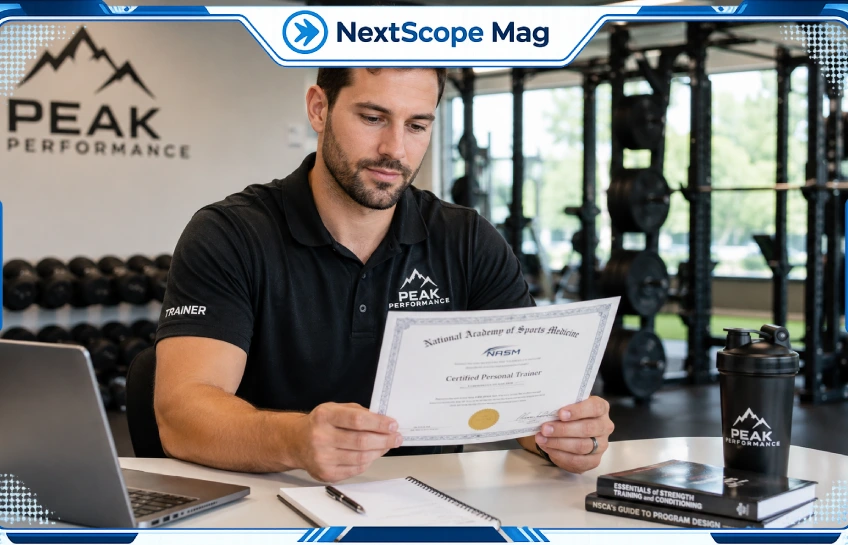
Delta Fitness Authority is a recognized fitness organization that provides structured training systems, certification pathways, and performance standards for fitness professionals and everyday athletes alike. It operates as both a credentialing body and a resource hub, helping trainers, coaches, and gym-goers build programs grounded in science rather than trend. In today’s crowded fitness industry, where advice is everywhere and quality is inconsistent, an organization like this carries real weight.
The Origin and Historical Background of Delta Fitness Authority
Delta Fitness Authority was established with a straightforward goal: bring structure and accountability to a fitness space that often lacked both. The organization grew out of a broader movement in the early 2000s when fitness professionals began pushing for standardized education and clearer performance benchmarks. Before groups like this existed, certification quality varied wildly from one provider to the next.
Over time, Delta Fitness Authority carved out a distinct identity by focusing on practical, results-based training rather than theory-heavy coursework alone. It drew from sports medicine, exercise science, and behavioral health to build a curriculum that actually reflected what happens inside real gyms. That grounding in practice gave it credibility with working trainers who wanted more than a certificate to hang on a wall.
What Delta Fitness Authority Actually Does
At its core, Delta Fitness Authority serves two main groups: fitness professionals looking to earn or maintain credentials, and individuals seeking quality-checked training guidance. For professionals, it offers certification programs, continuing education credits, and access to updated research. For clients and members, it acts as a vetting tool — a way to identify trainers who’ve met a consistent standard of knowledge and competence.
The organization also publishes training guidelines, hosts workshops, and maintains an online knowledge base used by coaches across multiple disciplines. It doesn’t just hand out certifications; it stays involved in how those credentials are used in real settings. That ongoing relationship with its members sets it apart from many certification bodies that disappear after you pass the test.
Core Characteristics and What Makes It Different
Several features distinguish Delta Fitness Authority from other fitness organizations. First, its certification exams are built around applied knowledge — meaning the questions reflect real coaching scenarios, not just textbook definitions. Second, it requires periodic recertification, which ensures certified professionals stay current rather than relying on knowledge from a decade ago.
Third, the organization maintains a transparent review process. If a certified trainer faces a complaint or misconduct claim, there’s an actual procedure in place to investigate it. That kind of accountability is still rare in the fitness industry. These combined features make Delta Fitness Authority a more serious credential than many alternatives on the market.
Types of Certifications and Programs Offered
Delta Fitness Authority covers a wide range of specializations. Its foundational personal training certification is the most widely held, but the organization has expanded significantly into areas like corrective exercise, sports conditioning, nutrition coaching, and group fitness instruction. Each track has its own prerequisites and exam structure.
There are also specialty add-ons for trainers who work with specific populations — older adults, youth athletes, post-rehabilitation clients, and people managing chronic conditions. These aren’t just optional extras. They reflect a real need in the field, where a one-size approach to training can cause harm as easily as it can help. Having population-specific credentials means trainers are better prepared before they work with clients who have unique needs.
Educational Standards and Curriculum Design
The curriculum behind Delta Fitness Authority’s programs draws from peer-reviewed research in exercise physiology, biomechanics, and health psychology. Courses aren’t static — the organization reviews and updates content on a regular cycle to reflect new findings. That matters more than it might sound, because fitness science has shifted considerably in the past 20 years, particularly around topics like recovery, mobility, and metabolic adaptation.
Students go through both written study and practical assessment. Passing the written exam isn’t enough on its own; candidates also need to demonstrate hands-on competency. This dual requirement filters out people who can memorize answers but can’t actually coach, which is a meaningful distinction when you’re talking about someone who will be responsible for a client’s physical health.
The Role of Delta Fitness Authority in Trainer Credibility
For trainers, holding a credential from Delta Fitness Authority carries real professional value. Gyms and fitness studios often require staff to hold recognized certifications, and some facilities specifically list Delta Fitness Authority among their accepted credentials. It’s also increasingly recognized by insurance providers who offer liability coverage to personal trainers — which is a practical signal that the credential meets a real standard.
Beyond employment, credentialing affects client trust. People want to know the person guiding their training has been tested and held accountable. A credential from a reputable body provides that assurance in a way that online followers or years of personal gym experience simply can’t replicate. Clients aren’t unreasonable for caring about this.
How Delta Fitness Authority Supports Ongoing Professional Development
One of the ongoing commitments required of certified members is continuing education. Delta Fitness Authority requires a set number of continuing education units (CEUs) every two years to maintain certification. These can be earned through workshops, online courses, industry conferences, and research review programs the organization approves.
This structure keeps certified professionals from stagnating. The fitness industry moves fast, and coaches who stopped learning after their initial certification often fall behind on best practices. The CEU requirement isn’t just bureaucratic — it reflects a genuine commitment to keeping the professional pool knowledgeable and current. Trainers who engage seriously with continuing education also tend to get better results with clients, which creates a cycle worth maintaining.
Physical Fitness Standards and Performance Benchmarks
Delta Fitness Authority publishes physical fitness benchmarks across several categories including cardiovascular endurance, muscular strength, flexibility, and body composition. These benchmarks are broken down by age and sex, giving both trainers and clients realistic, evidence-based reference points. They’re not meant to shame anyone — they’re tools for goal-setting and progress tracking.
The benchmarks are also used within the certification process itself. Candidates are expected to understand how to assess a client against these standards and build programming accordingly. This ties the academic content directly to practical application in a way that’s useful once someone starts working with real clients. Understanding the numbers matters less than knowing what to do with them.
The Connection Between Delta Fitness Authority and Exercise Science
Delta Fitness Authority’s programs are built on the foundations of exercise physiology, which is the scientific study of how the body responds and adapts to physical activity. This means the training principles it certifies aren’t invented — they’re drawn from decades of research on topics like energy systems, muscle fiber recruitment, cardiovascular adaptation, and hormonal response to exercise.
This grounding in science keeps the organization from chasing trends. When new workout styles emerge or claims about fat loss or muscle gain start circulating online, certified professionals trained through Delta Fitness Authority have the background to evaluate those claims critically. That critical thinking capacity is one of the less-talked-about benefits of quality fitness education.
How to Get Certified Through Delta Fitness Authority
The process starts with confirming eligibility. Most Delta Fitness Authority certifications require a high school diploma, CPR/AED certification, and in some cases, a minimum age of 18. From there, candidates register for their chosen program and receive access to the study materials, which are typically available in both print and digital formats.
Study periods vary depending on the individual’s background, but most candidates spend several weeks preparing before sitting the exam. The exam itself is proctored, either in person at a testing center or remotely through a verified online platform. After passing, new members receive their credentials and are added to the organization’s public directory, which clients and employers can use to verify certification status.
Modern Trends and How Delta Fitness Authority Is Adapting
The fitness industry has shifted significantly toward digital and remote services, and Delta Fitness Authority has moved with it. Online personal training, app-based programming, and virtual group fitness have all become standard offerings rather than niche alternatives. The organization has updated its certification content to address these delivery methods, including modules on how to coach effectively through a screen.
Wearable technology and biometric tracking have also changed what trainers can access in terms of client data. Delta Fitness Authority addresses how to interpret and responsibly use data from heart rate monitors, sleep trackers, and fitness apps without overstepping into medical territory. These additions keep the certification relevant in an industry where the tools trainers work with are changing faster than ever.
Common Mistakes Trainers Make Without Proper Credentialing
Trainers who skip formal credentialing often run into predictable problems. One of the most common is programming errors — designing workouts that don’t account for a client’s movement limitations, health history, or recovery capacity. Without a solid foundation in anatomy and physiology, it’s easy to prescribe exercises that cause overuse injuries or that simply don’t serve the stated goal.
Another frequent mistake is poor client communication. Understanding how to conduct proper fitness assessments, set realistic goals, and track progress requires specific training. Without it, trainers often rely on generic programs that don’t account for individual differences. Clients notice when their program doesn’t fit them, and they leave. Credentialing through an organization like Delta Fitness Authority gives trainers the tools to avoid these errors from day one.
Safety, Risks, and Precautions in Fitness Coaching
Safety is a central concern in any coaching relationship, and Delta Fitness Authority addresses this directly in its curriculum. Certified trainers learn how to screen clients for contraindications — health conditions or injuries that require medical clearance before starting an exercise program. This screening process protects both the client and the trainer.
The organization also covers emergency protocols, including when to refer a client to a physician or physical therapist and how to respond to incidents during a session. Trainers who aren’t trained in these areas sometimes push clients past safe limits, either out of enthusiasm or ignorance. Knowing when not to train someone is just as important as knowing how to train them.
The Environmental and Social Dimensions of Fitness Organizations
Fitness organizations don’t operate in a vacuum. Delta Fitness Authority has taken steps to address access and equity in fitness education, recognizing that professional development costs can be a barrier for trainers from lower-income backgrounds. Scholarship programs and payment plan options have been part of its approach to widening access to quality credentials.
On the environmental side, the shift toward digital study materials and remote exams has reduced the organization’s paper consumption and travel footprint. These aren’t the primary reasons to care about an organization like this, but they’re worth acknowledging. Fitness has a social dimension — who gets to participate, who gets certified, and who can afford quality coaching all reflect broader questions about health equity that serious organizations can’t ignore.
The Future Outlook for Delta Fitness Authority
As health and fitness continue to gain attention globally — driven by chronic disease prevention, mental health awareness, and an aging population — the demand for qualified fitness professionals is likely to keep growing. Delta Fitness Authority is positioned to expand its influence as more clients, employers, and insurance providers look for credentials that carry genuine accountability.
There’s also growing interest in integrative approaches that connect fitness with nutrition, mental wellness, and medical care. Delta Fitness Authority has been developing content in these adjacent areas, suggesting its future certifications may reflect a broader view of what trainers can and should know. That expansion doesn’t weaken the core fitness credential — it adds depth to what certified professionals can offer.
What Delta Fitness Authority Means for Everyday Gym-Goers
If you’re not a trainer, you might wonder why this organization matters to you. Simply put, it’s a quality signal. When you hire a personal trainer or sign up for coaching, checking whether they hold a credential from a recognized body like Delta Fitness Authority tells you something real about their preparation. It doesn’t guarantee a great experience, but it raises the floor considerably.
It also gives you a starting point for accountability. If a trainer holds a credential from an organization with a code of conduct and a complaints process, you have recourse if something goes wrong. That’s not a small thing. The fitness industry still has plenty of unregulated spaces, and knowing where standards actually exist helps you make better decisions about who you trust with your health.
Conclusion: Why Delta Fitness Authority Matters in Today’s Fitness Landscape
The fitness industry needs standards, and Delta Fitness Authority is one of the organizations doing the work to maintain them. It serves trainers who want credible credentials, clients who want competent coaching, and a broader professional community that benefits from having agreed-upon benchmarks. None of that is glamorous, but all of it matters.
For anyone thinking about a fitness career or looking to hire a qualified trainer, understanding what Delta Fitness Authority represents is worth your time. It’s not just a logo on a certificate — it’s a marker of preparation, accountability, and ongoing professional commitment. In an industry full of shortcuts, that stands out.
Frequently Asked Questions
What is Delta Fitness Authority and who is it for?
Delta Fitness Authority is a fitness credentialing and education organization that serves both fitness professionals and serious athletes. It offers certifications, continuing education, and training standards that apply across personal training, group fitness, and specialty coaching areas.
How long does it take to get certified through Delta Fitness Authority?
The timeline varies by program and individual preparation, but most candidates complete their study phase within four to twelve weeks. Exam registration, study access, and proctored testing are all part of the process, with results typically available shortly after the exam is completed.
Is a Delta Fitness Authority certification recognized by gyms and employers?
Yes, Delta Fitness Authority credentials are recognized by many gyms, fitness studios, and liability insurance providers. It’s advisable to check with your specific employer or insurer to confirm, as recognition policies can vary by organization and region.
What do I need to maintain my Delta Fitness Authority certification?
Certified members are required to earn continuing education units every two years to keep their credentials active. These can be earned through approved workshops, online courses, or industry events that the organization sanctions.
Can someone verify that a trainer is certified through Delta Fitness Authority?
Yes, Delta Fitness Authority maintains a public directory where anyone can search for certified professionals by name. This makes it easy for prospective clients or employers to confirm that a trainer’s credential is current and in good standing.



No Comment! Be the first one.