

You cleaned the kitchen this morning. By noon it looked untouched. The bathroom took 40 minutes last weekend and it already needs scrubbing again. The storage shelf you organized two weeks ago? Completely wrecked.
This is how home life actually feels for most people. Not like the Pinterest photos. Not like those 30-second videos where someone smiles and says “done!” It feels like a loop you can’t get out of.
The problem isn’t laziness. It’s setup. Most people are doing home tasks the hard way without realizing there’s a smarter version sitting right in front of them. If you’re still building that foundation, this home improvement for beginners guide is a solid place to start before diving into the hacks below.
These simple home hacks won’t turn your home into a magazine spread. But they will cut the time you waste, shrink the frustration, and make the whole thing feel less like a second job.
Why Home Tasks Feel Harder Than They Should
Here’s the thing most people don’t admit: a messy home isn’t usually caused by not cleaning enough. It’s caused by the same three things happening over and over.
Things don’t have a set place. When something doesn’t have a spot it belongs to, it lands wherever. That becomes clutter. Clutter becomes stress. Stress becomes avoidance.
Cleaning happens in big sessions instead of small ones. Waiting until things are visibly bad means you’re always catching up. A 10-minute daily habit beats a 3-hour Saturday clean every single time.
The tools and supplies are in the wrong place. If the bathroom cleaner is under the kitchen sink, you’ll skip cleaning the bathroom today. Convenience decides behavior more than motivation ever will.
Fix these three things and half your home stress disappears on its own.
Simple Home Hacks That Actually Work
1. Put Cleaning Supplies Where You Use Them
Stop storing everything in one place. Keep a small bottle of surface spray and a cloth under the bathroom sink. Keep dish soap, a sponge, and a small scrub brush right next to the kitchen sink — not under it.
When the supplies are exactly where the mess happens, you’ll clean it in 90 seconds instead of walking away and forgetting.
2. Use the “One Surface Rule” in Every Room
Pick one flat surface per room that stays completely clear. Kitchen counter near the stove. Bathroom counter. The entry table. Just one spot per room.
When that surface is clear, the whole room looks cleaner. It’s a visual reset that takes 2 minutes. Visitors immediately think the place is tidy even when it isn’t perfectly sorted.
3. The Sock Trick for Dusty Corners and Blinds
Put an old cotton sock on your hand. Lightly dampen it. Run it along window blinds, baseboards, dusty shelves, and tight corners.
It takes a third of the time compared to using a dry cloth, picks up more dust, and you don’t need any special tool. Toss the sock in the wash when you’re done.
4. Baking Soda and Dish Soap for Stubborn Sink Stains
This is one of those simple home hacks most people overlook because they assume it won’t work on real buildup.
Mix one tablespoon of baking soda with a few drops of dish soap into a paste. Apply it to the sink, let it sit for five minutes, then scrub with a damp sponge. The fizzing action loosens mineral stains, soap scum, and grease without scratching the surface. According to Good Housekeeping, baking soda is one of the most effective natural cleaners for kitchen and bathroom surfaces.
No special cleaner needed. Nothing to buy.
5. Freeze Sponges to Kill Bacteria
Kitchen sponges get dirty fast. Most people either ignore it or replace them constantly.
Instead, rinse your sponge, wring it out, and put it in the freezer overnight every few days. The cold kills a large portion of the bacteria. It also extends the life of the sponge by a couple of weeks. Quick, free, and takes zero effort.
6. Use Tension Rods Under the Sink for Extra Storage
The space under most kitchen and bathroom sinks is one big empty cave where things fall over and get lost.
Add a small tension rod near the front of that space. Hang spray bottles from it by their trigger handles. Everything becomes visible, nothing tips over, and you free up shelf space underneath. You can find tension rods for under $5 at most stores.
7. The “Two-Minute Door Rule”
Before you leave any room, take two minutes to reset it. Put the remote back. Fold the throw blanket. Move the cup to the kitchen.
It’s not deep cleaning. It’s just not letting rooms drift into chaos one item at a time. This one small habit does more for a tidy home than any cleaning session you schedule once a week.
8. Rubber Gloves for Pet Hair on Furniture
If you’ve got pets, you know how annoying fur on fabric can be. Lint rollers work, but they run out fast and cost money.
Put on a rubber glove — the kind used for washing dishes — and run your hand across the sofa, chair cushions, or carpet. The static and texture grab the hair and bunch it up so you can peel it right off. Fast, reusable, and it works better than most people expect.
9. Keep a Small Basket at the Bottom of the Stairs
Clutter tends to build up near staircases because everything that belongs upstairs gets left at the bottom. Shoes, books, chargers, jackets.
A small basket at the bottom catches all of it. Once a day, grab the basket and take it upstairs. One trip instead of ten. The downstairs stays clear and you’re not making excuses for why things “haven’t made it up yet.”
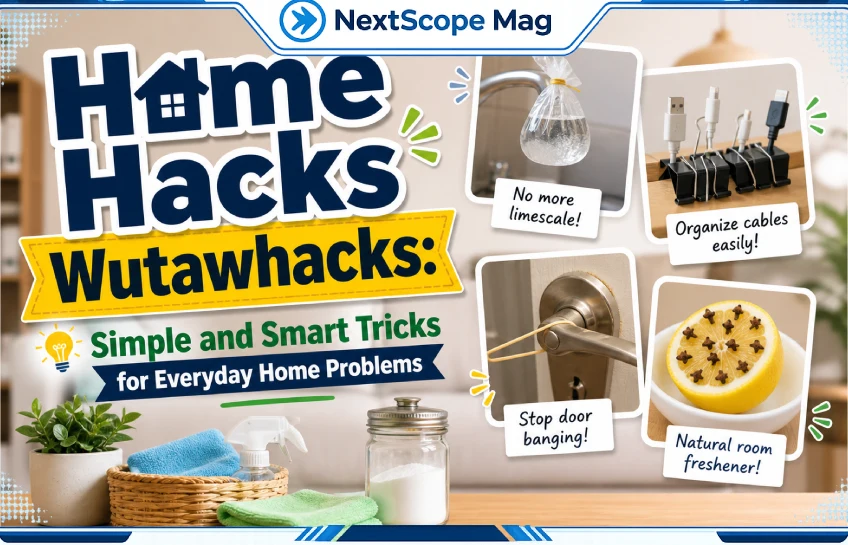
10. Vinegar Spray for Hard Water Stains on Faucets
White vinegar cuts through hard water buildup and mineral deposits without chemicals. Fill a small spray bottle with undiluted white vinegar. Spray the faucet, let it sit for 10 minutes, then wipe it off.
For tougher stains, soak a cloth in vinegar and wrap it around the faucet for 20–30 minutes. The stains come off clean. Costs almost nothing.
What to Do on Busy or Tired Days
Some days, deep cleaning is off the table. That’s fine. On those days, do just these three things:
Wipe one surface. Clear the kitchen sink. Do a two-minute room reset before bed.
That’s it. Three small actions keep the mess from compounding. You won’t feel behind the next morning, and that mental reset matters more than people give it credit for. And if things have seriously piled up — maybe after a move, a renovation, or just a few hectic weeks — it’s worth looking into professional house cleaning services to get a proper reset before you build your routine back up.
Mistakes That Make Home Life Harder
Buying organizers before you’ve decluttered. Organizing things you don’t need just moves the problem around. Sort first, then find storage.
Cleaning everything at once. It leads to burnout and longer gaps between cleaning sessions. Short, consistent wins more.
Using too many products. Most people have 8 cleaning products when 2 would do the same job. Vinegar, baking soda, and dish soap handle about 80% of home cleaning needs.
Skipping the reset before bed. A messy home in the morning sets the tone for a harder day. Five minutes at night saves 20 minutes of stress in the morning.
A Realistic Daily Home Routine
Morning (10 minutes): Wipe kitchen counter. Rinse last night’s dishes or run the dishwasher. Quick bathroom wipe-down.
Midday (5 minutes): Clear any flat surfaces that gathered stuff. Put things back in their spots.
Evening (10 minutes): Reset every room before bed. Take the stair basket upstairs. Quick sweep of the kitchen floor if needed.
That’s 25 minutes total. Not hours. Not a full Saturday. Just consistent small actions that stop things from piling up.
FAQs
Do these hacks work in small apartments? Most of them work better in small spaces because there’s less ground to cover. The tension rod trick and stair basket idea are especially useful for tight layouts.
What if I don’t have baking soda or vinegar at home? Dish soap alone handles most surface cleaning. Start with what you have and pick up baking soda and vinegar on your next grocery run — both are cheap and last a long time.
How long before these habits actually stick? Most people feel a difference in the first week. The habits become automatic after about 3–4 weeks of doing them consistently.
Is it worth buying specific cleaning tools? Not usually. Old socks, rubber gloves, and basic spray bottles handle most of what expensive tools claim to do.
The Bottom Line
Simple home hacks aren’t about working harder or finding motivation. They’re about changing small things in your setup so that keeping the place clean doesn’t require willpower every single time.
Pick three of these hacks and try them this week. See what changes. Once they’re automatic, add a few more. That’s how a cleaner, calmer home actually happens — not from one big effort, but from small, repeatable actions that don’t feel like work after a while.



No Comment! Be the first one.