

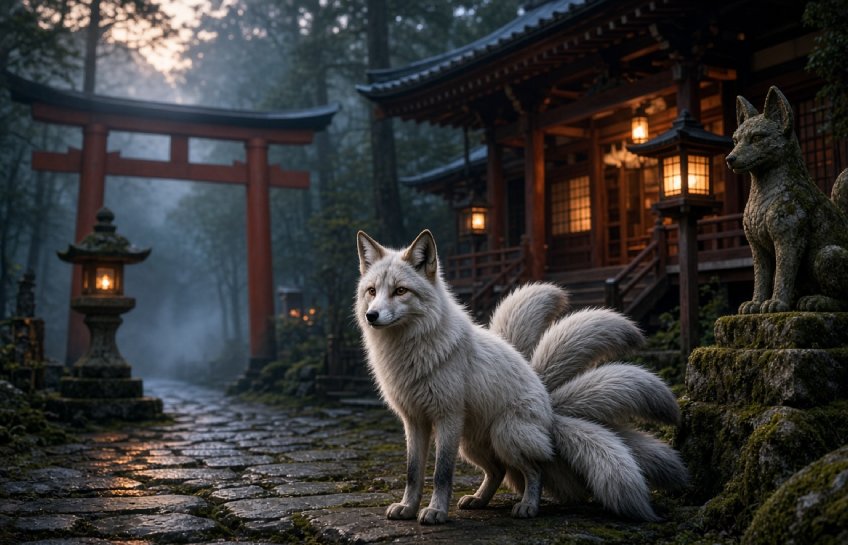
If you have ever watched an anime or read about Japanese mythology, you have probably come across the word kitsune. A kitsune is a fox, but in Japanese folklore, it is often much more than that. Kitsune can be tricksters, protectors, shapeshifters, or messengers, depending on which story you are reading. There is no single rulebook for what a kitsune is or does. This guide walks you through the meaning of the word, the folklore behind it, and how kitsune fit into Japanese culture today.
What Is a Kitsune?
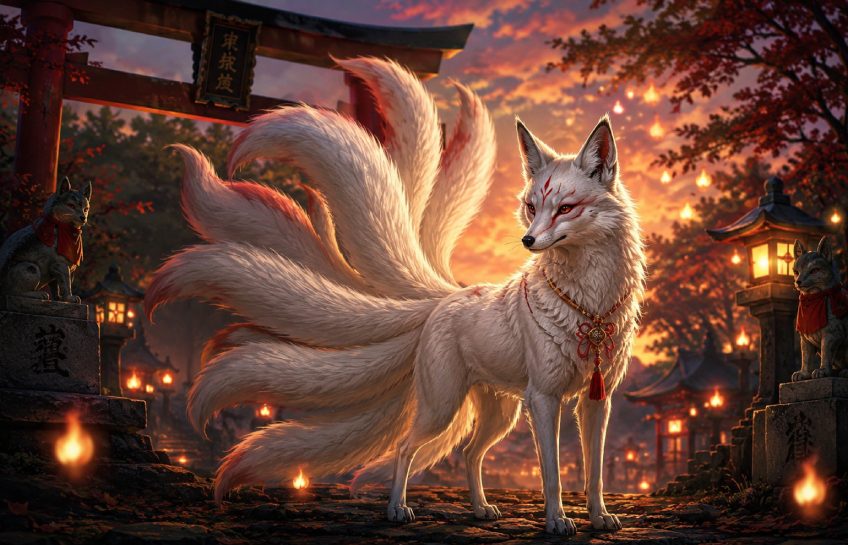
A kitsune is the Japanese word for fox, but in English-language discussions of folklore, it usually refers to a supernatural fox spirit rather than an ordinary animal. In everyday Japanese, kitsune simply means “fox.” But in the world of Japanese folklore and mythology, the term takes on a much richer meaning.
Kitsune appear as a type of yōkai, a broad category of supernatural beings, spirits, and strange phenomena in Japanese tradition. Not every fox in a story is treated as supernatural. Some tales use kitsune to mean a regular wild fox. Others describe a fox with magical powers, centuries of life, and the ability to take human form. The context of each story usually makes clear which kind of kitsune is being described.
What Does Kitsune Mean in Japanese?
The word kitsune simply means “fox” in Japanese. It does not automatically mean “magical fox” or “demon fox.” The supernatural meaning comes from the folklore and stories built around the word over many centuries, not from the word itself.
This distinction matters because it explains why kitsune shows up in two very different contexts. A nature documentary about wild Japanese foxes would use the same word as a ghost story about a fox spirit who tricks a traveler. The folklore, not the vocabulary, is what turns an ordinary fox into something extraordinary.
Kitsune in Japanese Folklore
In Japanese folklore, kitsune are not one single, fixed type of creature. Their portrayal changes depending on the region, the era, and the specific story being told. This is one of the most important things to understand about kitsune: there is no universal set of rules that every legend follows.
Some stories present kitsune as clever tricksters who enjoy fooling humans with illusions. Other stories show kitsune as loyal protectors or grateful spirits who repay kindness. Still others connect kitsune to the divine, describing them as messengers for a major Shinto deity. Because kitsune folklore developed over such a long period across different communities, it makes more sense to think of kitsune as a flexible folklore figure rather than a single defined monster.
Common themes across many kitsune stories include disguise, cleverness, and the blurred line between the human world and the spirit world. A kitsune might appear as a beautiful woman, an old man, or another ordinary person, only revealing its true fox nature later in the story.
Kitsune Powers and Abilities
What powers do kitsune have? In folklore, kitsune are said to shape-shift, create illusions, and use other supernatural abilities, though these powers are part of mythology and stories, not scientific fact.
Shape-shifting is the most well-known kitsune ability in these traditions. Legends describe kitsune transforming into human beings, most often taking the form of a woman, in order to interact with people, test their character, or live among them unnoticed. Other stories describe kitsune creating illusions, appearing and disappearing, or leading travelers astray at night.
Two specific motifs come up again and again in kitsune folklore:
- Kitsune-bi (foxfire): Mysterious lights or flames associated with foxes, often described as appearing at night in fields or forests.
- Kitsune no yomeiri (the fox’s wedding): A folklore motif involving fox wedding processions, sometimes linked to strange weather like sunshine during rain.
These motifs show how deeply kitsune are woven into everyday Japanese folklore, appearing not just as characters in long legends but as explanations for small, strange moments in nature.
Kitsune and Inari
Are kitsune related to Inari? Yes. In Japanese tradition, foxes are regarded as messengers of Inari Ōkami, a major deity connected to rice, agriculture, and prosperity. However, Inari itself is not a fox.
This is an important distinction that is easy to get wrong. The fox statues seen at Inari shrines represent the messengers of Inari, not the deity itself. Fushimi Inari Taisha, one of the most famous Inari shrines in Japan, specifically distinguishes between Inari Ōkami and the fox messengers associated with the shrine. The foxes serve a symbolic and spiritual role connected to the deity, but they are not treated as Inari in disguise.
This relationship between kitsune and Inari is one reason fox imagery is so common at Shinto shrines across Japan, especially those dedicated to Inari worship.
Why Kitsune Have Multiple Tails
How many tails does a kitsune have? Kitsune are often shown with more than one tail in folklore, with multiple tails symbolizing age, wisdom, or spiritual power, though not every kitsune in every story is described the same way.
A kitsune with several tails is generally understood in folklore as older and more powerful than one with a single tail. This idea of tails representing growth over time is a recurring theme, though it is not applied with strict consistency across every single legend. Different stories and traditions describe this idea in different ways, which is part of why kitsune folklore feels so varied from one tale to the next.
The Nine-Tailed Fox
What is a nine-tailed kitsune? A nine-tailed kitsune, sometimes called Kyūbi no Kitsune, represents the most powerful and legendary version of the fox spirit in East Asian folklore. This tradition has important roots in Chinese culture and later became part of Japanese folklore as well.
The nine-tailed fox is not a Japanese invention alone. Its origins trace back to Chinese mythology, where nine-tailed fox spirits appear in early literature and legend. Over time, this idea traveled into Japanese storytelling and blended with local kitsune folklore, becoming one of the most iconic images associated with fox spirits in Japan today.
Because of this shared history, the nine-tailed fox is best understood as a tradition with deep roots across East Asian culture, rather than something that began entirely in Japan.
Tamamo-no-Mae and the Sesshō-seki
Who is Tamamo-no-Mae? Tamamo-no-Mae is a famous legendary figure connected to the nine-tailed fox tradition in Japanese folklore. According to legend, she is linked to the Sesshō-seki, or Killing Stone, located at Nasu.
The story of Tamamo-no-Mae is one of the most well-known kitsune legends in Japanese culture. In the legend, she is described as a beautiful and mysterious woman whose true identity is tied to the nine-tailed fox tradition. Her legend eventually became connected to the Sesshō-seki, a stone at Nasu associated with her story in folklore.
This legend remains one of the clearest examples of how kitsune folklore, the nine-tailed fox tradition, and real physical locations in Japan can all connect within a single story.
Are Kitsune Good or Evil?
Are kitsune good or evil? Neither, universally. Kitsune are not always portrayed as evil, and their roles change from story to story, ranging from tricksters to protective or benevolent figures.
This is one of the most misunderstood parts of kitsune folklore for people encountering it for the first time. Some tales lean toward mischief or danger, showing kitsune deceiving or misleading people. Other tales show the opposite, with kitsune helping, protecting, or rewarding humans who treat them with respect. Because kitsune folklore developed across so many different stories and regions, it does not follow one single moral pattern. Readers should approach each kitsune legend on its own terms rather than assuming a fixed personality for every fox spirit.
Kitsune in Japanese Art and Modern Culture
Kitsune have appeared in Japanese art for centuries, including works from the Edo period that depict foxes taking human form or engaging in supernatural events. These artistic depictions helped keep kitsune folklore alive and visible across generations, illustrating scenes from famous legends and everyday folk beliefs alike.
That influence has not faded. Kitsune traditions continue into modern manga, anime, video games, and other areas of popular culture. Whether shown as clever companions, powerful spirits, or mysterious strangers, kitsune remain one of the most recognizable figures from Japanese folklore, connecting centuries-old storytelling to entertainment enjoyed around the world today.
FAQs
What is a kitsune? A kitsune is the Japanese word for fox, commonly used in folklore to describe a supernatural fox spirit capable of shape-shifting and other magical abilities.
Are kitsune real? Kitsune are figures from Japanese folklore and mythology, not scientifically documented creatures. Real foxes exist in Japan, but the supernatural kitsune of legend belongs to storytelling and cultural tradition.
What powers do kitsune have? Folklore describes kitsune as capable of shape-shifting, creating illusions, and producing kitsune-bi, or foxfire. These are traditional beliefs rather than proven abilities.
Are kitsune good or evil? Neither, as a rule. Some kitsune stories show tricksters or dangerous spirits, while others show protective or grateful figures. Their portrayal depends on the specific legend.
Are kitsune related to Inari? Yes. Foxes are traditionally regarded as messengers of Inari Ōkami, though Inari itself is not depicted as a fox. Shrines like Fushimi Inari Taisha make this distinction clear.
How many tails does a kitsune have? Kitsune are often shown with multiple tails, which folklore associates with age and power. Not every kitsune story follows the same tail count or rules.
What is a nine-tailed kitsune? A nine-tailed kitsune, or Kyūbi no Kitsune, is the most powerful version of the fox spirit in legend. The tradition has roots in Chinese folklore before becoming part of Japanese mythology.
Who is Tamamo-no-Mae? Tamamo-no-Mae is a legendary figure tied to the nine-tailed fox tradition, whose story is connected to the Sesshō-seki, or Killing Stone, at Nasu.
Conclusion
Kitsune sit at the heart of Japanese folklore as one of its most flexible and enduring figures. The word simply means “fox,” but centuries of storytelling turned it into a symbol of shape-shifting, mystery, and connection to the divine through Inari’s fox messengers. From foxfire and fox weddings to the legendary nine-tailed fox and the story of Tamamo-no-Mae, kitsune folklore offers no single fixed rulebook, only a rich tradition that continues to shape Japanese art and modern pop culture today.

Japanese Snacks: Traditional, Sweet, Savory & Regional Treats

No Comment! Be the first one.