

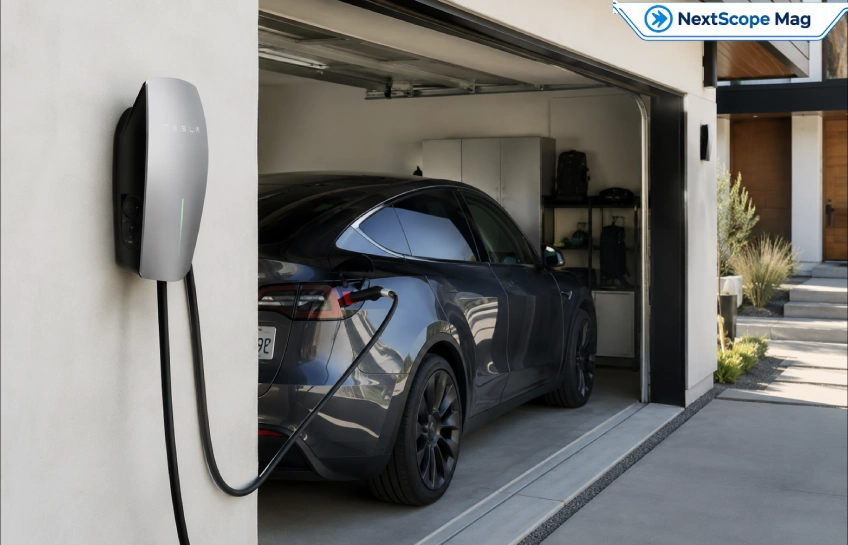
Did you know the average home EV charger installation costs around $2,442 in the US? That’s a big number. But here’s the thing — most people don’t even know what goes into that price. And that’s exactly the problem.
EV charger installation isn’t just plugging in a box on the wall. It’s electrical work. It’s permits. It’s picking the right charger for the right car. And if someone gets it wrong, they could end up with a fire hazard instead of a fast-charging driveway.
So let’s break it all down. Simply. No jargon. Just the real stuff people need to know before they call an electrician or start drilling holes in a garage wall.
What Is EV Charger Installation?
EV charger installation means setting up a dedicated charging point and electrical circuit so an electric car can charge safely at home or at a business. That’s it. That’s the short answer.
But there’s more to it, of course. A proper installation isn’t just a plug. It usually involves choosing the right charger type, checking if the home’s electrical panel can handle the extra load, adding a new breaker, running a dedicated circuit, and mounting the unit somewhere safe and weatherproof.
Most homeowners think they can just buy a charger online and stick it on the wall. But nope. Local electrical codes, permits, and inspections are part of the deal too. A licensed electrician usually handles all of it, start to finish, so everything’s up to code and safe to use every single day.
Types of EV Chargers and Which One Fits Best
There are three main charger types, and picking the right one matters a lot. Here’s a quick breakdown:
- Level 1 charger — Plugs into a standard 120V outlet. Slow. Really slow. Good for small daily top-ups, not much else.
- Level 2 charger — Runs on 240V, like a dryer outlet. Way faster. This is what most homes and workplaces install.
- DC fast charger — The big commercial stuff. Charges a car in minutes, not hours. Mostly seen at highway stops and public charging stations.
For most families, a Level 2 charger hits the sweet spot. It charges overnight, costs less than a fast charger setup, and works great for daily driving. Businesses with fleets or high traffic, though, often lean toward DC fast chargers because time really is money there.
The right pick depends on the vehicle’s battery size, how far someone drives each day, and the budget available. A daily commuter with a short drive might be totally fine with Level 1. But most EV owners? They’ll want Level 2, no question.
Key Electrical Requirements for EV Charger Installation
Here’s where things get technical, but stick around — it’s not that scary.
A Level 2 charger typically needs a 50 to 60 amp breaker, plus a dedicated circuit that isn’t shared with anything else in the house. Sharing circuits is a rookie mistake, and it can trip breakers or worse, cause overheating.
The home’s electrical panel also needs enough spare capacity. Older homes sometimes need a full panel upgrade before a charger can even go in. That’s an extra cost, sure, but skipping it isn’t an option if the panel can’t handle the load.
Wiring matters too. Proper conduit, THHN wire, GFCI protection, and 2-pole breakers all need to meet local electrical codes. None of this is a “figure it out later” situation. Get it wrong, and it’s not just inconvenient — it’s dangerous.
Step-by-Step EV Charger Installation Process
So what actually happens during an install? Here’s the rundown:
- Site assessment — The electrician checks the garage or driveway and picks the best spot for the charger.
- Panel check — They confirm the electrical panel has room for the new circuit.
- Circuit and breaker install — A dedicated breaker and wiring get added.
- Cable routing — Conduit runs from the panel to the charger location.
- Mounting the charger — The unit gets bolted to the wall, wired up, and sealed for weather if it’s outdoors.
- Testing — Everything gets tested to make sure it charges safely and correctly.
Sounds simple when it’s listed out like that. But each step needs to be done right, or the whole system’s at risk. And that’s exactly why most people don’t DIY this one.
Permits, Inspections, and Safety Considerations
Most cities require a permit for EV charger installation. Yep, even for a garage. Skipping this step might save a little time upfront, but it can cause real headaches later — especially if a home gets sold and the buyer’s inspector finds unpermitted electrical work.
After the install, a local inspector usually checks the wiring, the breaker size, and the overall setup before signing off. This isn’t red tape for no reason — it protects the homeowner from fire risks and faulty wiring.
Safety-wise, GFCI protection, correct breaker sizing, proper labeling, and load calculations all matter. A good electrician handles this automatically, but homeowners should still ask questions and understand what’s being installed in their own home.
EV Charger Installation Costs, Rebates, and Incentives
Cost varies a lot depending on the home. Distance from the panel, whether a panel upgrade is needed, and the charger type all affect the final price. On average, though, homeowners in the US spend around $2,442 for a full setup.
That number sounds high, but rebates can knock a good chunk off. Many utility companies offer rebates for installing EV chargers, and some states add tax credits on top of that. It’s worth checking local programs before starting the project — free money is free money.
DIY vs Professional EV Charger Installation
Some handy folks wonder if they can install a Level 2 charger themselves. Honestly? It depends. Simple plug-in units on an existing 240V outlet might be manageable for someone experienced with electrical work.
But hardwired installs, panel upgrades, and new circuits are a different story. Mistakes here aren’t just inconvenient — they can cause electrical fires or void a home’s insurance coverage. Licensed installers, or platforms like Qmerit that connect homeowners with certified electricians, take that risk off the table.
For most people, professional installation is worth the extra cost. It’s safer, it’s code-compliant, and it comes with a warranty most DIY jobs simply can’t offer.
Future-Proofing a Home or Business for EV Charging
EV adoption isn’t slowing down. So it makes sense to plan ahead. Homeowners installing a charger today might want extra panel capacity for a second vehicle down the road, or conduit already run for future expansion.
Businesses have even more to think about — multiple chargers, tenant needs, and smart load management to avoid overloading the grid. Pairing a charger with solar panels or battery storage is also becoming more common, letting EV owners charge with cleaner, cheaper energy.
Planning for the future now saves a ton of hassle (and money) later.
Conclusion
EV charger installation isn’t complicated once it’s broken down step by step. But it’s not a project to rush either. Picking the right charger, checking the electrical panel, pulling permits, and hiring a licensed electrician all matter for a safe, long-lasting setup.
Anyone thinking about installing a home or business EV charger should start with a professional site assessment. It’s the easiest way to get an accurate cost estimate, check for available rebates, and make sure the whole job gets done safely and up to code.
Frequently Asked Questions
How much does EV charger installation cost? On average, homeowners in the US pay around $2,442, though the price changes based on panel capacity, distance from the panel, and charger type.
Do homeowners need a permit for EV charger installation? Yes, most local governments require a permit and inspection for EV charger installation, even for home garages.
Can someone install an EV charger themselves? Simple plug-in Level 1 or Level 2 units might be manageable for experienced DIYers, but hardwired installs and panel upgrades should go to a licensed electrician.
What’s the difference between Level 1 and Level 2 chargers? Level 1 uses a standard 120V outlet and charges slowly. Level 2 uses 240V and charges much faster, making it the top pick for most homes.
Are there rebates for EV charger installation? Many utility companies and state governments offer rebates or tax credits that help lower the total installation cost.



No Comment! Be the first one.