

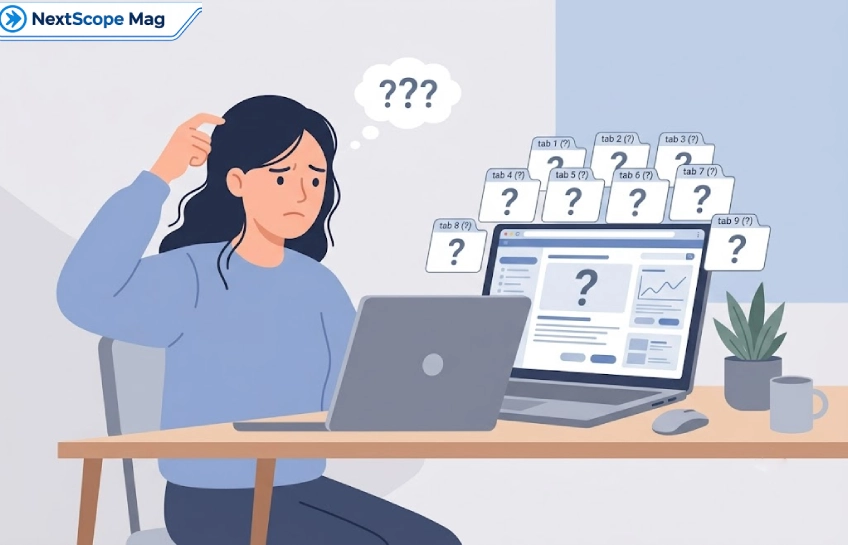
If you searched “Voozon” and landed on five different websites with five different explanations, you’re not imagining things. This is one of the more confusing search terms online right now, and there’s a clear reason why.
What Is Voozon?
Here’s the honest answer: it depends which site you click on. Search “Voozon” today and you’ll find several unrelated websites, each claiming to be the real one, each describing it differently. One calls it a business advice blog. Another calls it a guest-posting platform. A third calls it a “digital media hub” for creators. None of them agree, and none show clear ownership information.
That’s not normal for a real company or product. It’s a pattern worth understanding, because it shows up with more than just this one search term.
The Confusing Part: Five Sites, Five Different Stories
Here’s what shows up when you look across the sites currently using this name:
| Site | What It Claims To Be |
|---|---|
| voozon.com | Guest-posting and multi-niche blogging platform |
| voozon.it.com | Digital media hub for creators and brands |
| voozons.com | General online platform with “digital services” |
| voozon.info | Multi-niche blog covering tech, business, lifestyle |
| thevoozon.us | Web-based service involving accounts and tasks |
Five domains, five different descriptions, and no single source that explains what any of them actually is with real detail. That’s the first sign something is off.
Why This Happens: How Keyword Swarms Work
Content Farms and Domain Squatting
When a made-up or unclear term starts getting search traffic, it’s common for several low-quality websites to publish “what is X” articles about it. None of them know the real answer, either, because there often isn’t one. The goal is to catch search clicks, not to inform anyone.
You’ll notice these articles share a style: long, generic explanations, vague claims like “emerging platform” or “growing in popularity,” and no verifiable details like a founder, a launch date, or real user reviews.
Why Search Engines Sometimes Rank Them Anyway
Search engines rank based on relevance signals, not truth. If a term is new or unclear, and several sites publish long articles about it, those articles can rank simply because nothing else exists to compete with them. Volume wins in the short term, even when none of the content is reliable.
How to Check Any Confusing Site’s Legitimacy Yourself
You don’t need special tools for this. Here’s a simple process:
- Look up the WHOIS record. A hidden or private owner isn’t automatically bad, but combined with other red flags, it matters.
- Check the domain’s age. Brand-new domains with big claims are worth extra caution.
- Search for the company name plus “review” or “complaint.” Real businesses usually have a trail. Fake ones don’t.
- Look for a real About page. Vague “About Us” content with no names, address, or contact details is a warning sign.
- Check if other reputable sites reference it. If only similar-looking, low-quality blogs mention the name, that tells you something.
- Run the domain through a site-checking tool like a browser security extension or your antivirus software’s URL checker.
Red Flags to Watch For
- No clear owner name or company behind the site
- Multiple different domains claiming to be the “official” version
- Vague, repetitive descriptions that never get specific
- Fake-sounding testimonials with no real names attached
- Content that reads like it was written to fill space, not to answer a real question
What To Do If You Landed on a “Voozon” Site
If you’re trying to figure out whether to use, sign up for, or trust a site using this name, treat it the same way you’d treat any unfamiliar platform: don’t create an account, don’t enter payment details, and don’t share personal information until you’ve confirmed who runs it and why. If you can’t find that basic information, it’s reasonable to walk away and look for an established alternative in whatever category you actually need help with, such as content publishing, business advice, or guest posting.
FAQs
Is Voozon a real company? There isn’t clear evidence of one consistent company behind the name. Multiple unrelated websites currently use variations of it.
Is Voozon safe to use? Without a verifiable owner or track record, it’s hard to confirm either way. Treat it with the same caution you’d use for any unfamiliar site.
Why do different websites describe Voozon differently? Because they’re likely separate, unrelated sites that published content around the same trending search term, not one single platform.
How can I tell if a confusing website like this is trustworthy? Check the WHOIS record, domain age, and whether real, independent sources mention it. No verifiable ownership is the biggest warning sign.
Should I sign up or enter information on a Voozon site? Not without confirming who runs it first. If that information isn’t available, it’s safer to avoid entering personal or payment details.
Final Thoughts
“Voozon” is a good example of how confusing the internet can get when a term starts trending before anyone actually defines it clearly. The safest move is the same one that works for any unfamiliar site: check for a real owner, a real track record, and real independent reviews before you trust it with your time or your information.

Other Articles


No Comment! Be the first one.