

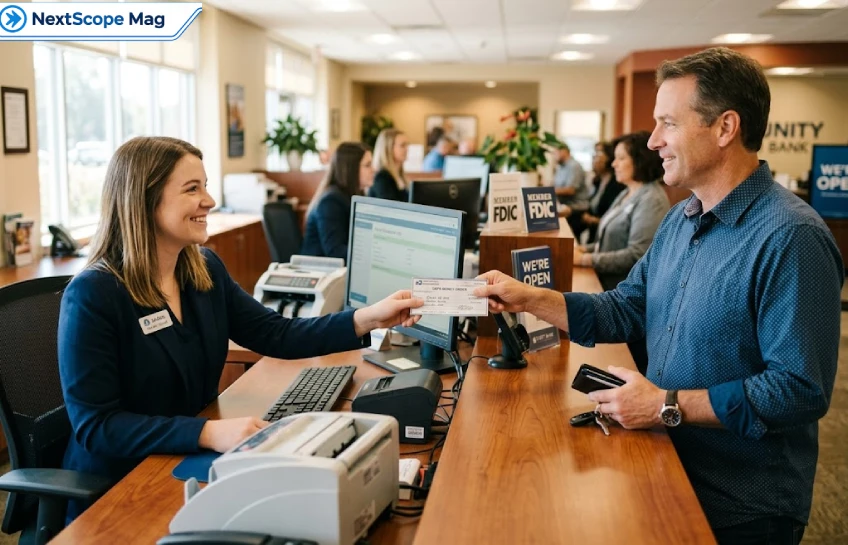
You just got a money order, and now you need real cash in your hand. The fastest way to cash a money order is at the place that issued it, your bank, or a store like Walmart. You’ll need a valid ID and the original money order. Most locations charge a small fee, usually under $5.
Below, we’ll walk through every option, what it costs, and what to bring so you don’t get turned away at the counter.
Where to Cash a Money Order
Not every location treats money orders the same way. Some charge nothing. Others charge a flat fee or a percentage. Here’s a quick breakdown.
| Location | Typical Fee | ID Required | Speed |
|---|---|---|---|
| Issuing company (USPS, MoneyGram, Western Union) | Often free or low cost | Yes | Fast |
| Your bank (if you’re a customer) | Usually free | Yes | Fast |
| Walmart | Small fee, often under $4 | Yes, for larger amounts | Fast |
| Post Office | Free for USPS money orders | Yes | Fast |
| Check-cashing store | 1% to 5% of the total | Yes | Fast, but pricier |
At the Issuing Company
Check the top of your money order. It will tell you who issued it, whether that’s the U.S. Postal Service, Western Union, or MoneyGram. Going straight to the source is usually your cheapest and safest bet, since they can confirm right away that it’s real.
At Your Bank or Credit Union
If you have an account, this is often the easiest route. Many banks cash money orders for free if you’re already a customer. Some banks will also cash them for non-customers, though they may charge a fee or refuse altogether.
At Walmart or a Retailer
Walmart cashes money orders at the Money Center or customer service desk. Fees are usually small, often just a few dollars, but they can vary by store. Bring a government-issued photo ID, since larger amounts may require extra verification.
At the Post Office
If your money order came from USPS, you can cash it at any post office, no matter where it was purchased. This is one of the more convenient options if you don’t have a bank account nearby.
At a Check-Cashing Store
These stores will cash almost any money order, but they charge more. Fees can run 1% to 5% of the total amount. This is a good backup option, but not the cheapest one.
Step-by-Step: How to Cash a Money Order
Cashing a money order works a lot like cashing a check. Here’s the process most places follow:
- Do not sign the money order yet. Wait until you’re in front of the teller or clerk.
- Bring the original money order. Copies or photos won’t work.
- Show a valid, government-issued ID. A driver’s license or passport works best.
- Hand over the money order to the teller or clerk.
- Sign (endorse) it in front of them. This usually goes on the back, on the line marked for endorsement.
- Receive your cash and a receipt. Keep the receipt in case there’s ever a dispute.
What You Need to Cash a Money Order
Before you head out, make sure you have:
- The original, unsigned money order
- A government-issued photo ID (driver’s license, passport, or state ID)
- Your bank account details, if you plan to deposit instead of cash it
- Small bills or change on hand, in case the location deducts a fee from your total
How Much Does It Cost to Cash a Money Order?
Fees depend entirely on where you go. Here’s a general idea:
- Your own bank: Usually free
- Walmart: Often under $4
- Post office: Free for USPS-issued money orders
- Check-cashing stores: 1% to 5% of the total amount
If keeping costs low matters most, start with the issuing company or your own bank before trying a check-cashing store.
What If You Don’t Have a Bank Account?
You don’t need a bank account to cash a money order. Retailers like Walmart, the post office, and check-cashing stores will all cash one for you as long as you bring a valid ID. Just expect a small fee at most of these locations, since they aren’t holding your money in an account.
Do Money Orders Expire?
Money orders themselves don’t technically expire, but some issuers add service fees after a certain period, and some locations won’t cash old ones without extra steps. As a rule, try to cash or deposit a money order within a year of the issue date. If it’s older than that, take it back to the company that issued it.
What to Do If Your Money Order Is Lost, Damaged, or Unsigned
- Lost or stolen: Contact the issuer right away. USPS, Western Union, and MoneyGram all have a process to trace and replace lost money orders, usually for a small fee.
- Damaged: Most issuers can reissue a money order if the original is torn or unreadable, as long as you have your receipt.
- Unsigned by the sender: Some locations won’t cash a money order that’s missing the purchaser’s signature. If this happens, contact whoever sent it to you.
Always hold on to your receipt until the money order is cashed. It’s your proof of purchase if anything goes wrong.
FAQs
Can I cash a money order at any bank? Not always. Banks usually cash money orders for their own customers only. If you don’t have an account there, they may decline or charge a fee.
Do I need ID to cash a money order? Yes. Nearly every location will ask for a government-issued photo ID before handing over cash.
Can I cash a money order without paying a fee? Yes, if you go to your own bank or the post office for a USPS money order. Retailers and check-cashing stores usually charge something.
What if the money order is over $1,000? Some locations have limits on how much cash they’ll hand over in one visit. Call ahead to confirm the location can handle the full amount before you go.
Final Thoughts
Cashing a money order is simple once you know where to go and what to bring. Start with the issuer or your own bank to avoid fees, and keep your ID and receipt handy no matter where you end up. A few extra minutes of planning can save you a trip and a chunk of change in fees.



No Comment! Be the first one.