

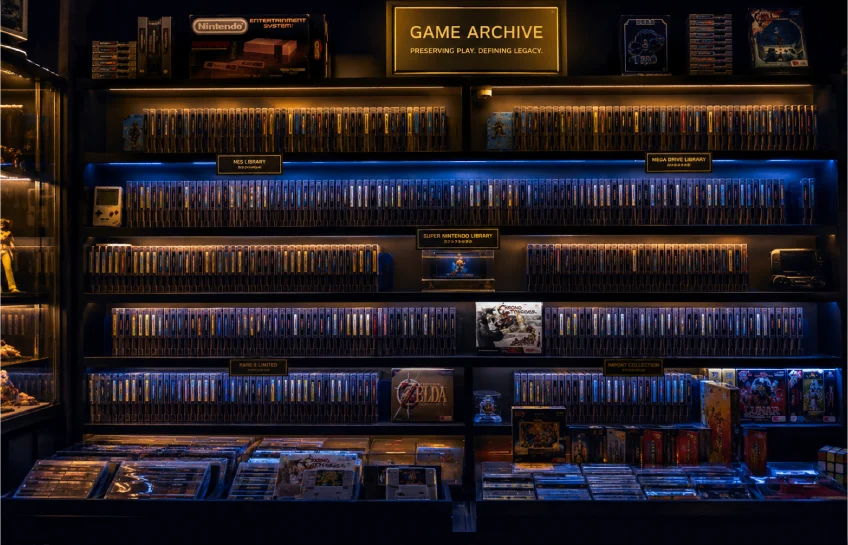
TechView TheGameArchives is a dedicated digital platform that catalogs, preserves, and presents the history of video games across hardware generations and software formats. It functions as both a research tool and a community resource, housing documentation, ROM data, game metadata, and technical breakdowns for titles spanning decades. As physical game media degrades and older platforms disappear from mainstream retail, platforms like this have become genuinely important for anyone who cares about where gaming came from.
What Is TechView TheGameArchives and How Did It Start
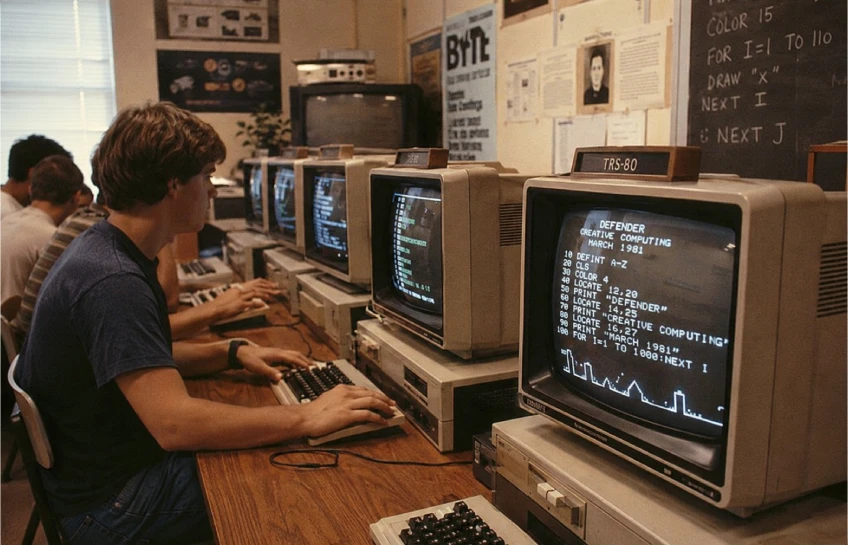
The origins of TheGameArchives trace back to the broader game preservation movement that gained traction in the early 2000s. Collectors, developers, and historians grew increasingly concerned that aging cartridges, floppy disks, and optical media would become unreadable within a generation. TechView emerged as a structured approach within that movement, focusing specifically on technical documentation alongside the archive itself.
Early contributors were largely hobbyists and former developers who felt the industry wasn’t doing enough to preserve its own history. What started as loosely organized file repositories eventually matured into something far more organized, with consistent metadata tagging, version tracking, and user-submitted documentation. That shift from chaos to structure is really what defines what TheGameArchives became.
The Core Purpose Behind Digital Game Preservation
Preservation in the gaming world means more than just keeping old files around. It involves maintaining playable versions of games, documenting bugs and quirks specific to original hardware, and keeping regional release data intact. TechView TheGameArchives approaches this from a technical angle, which separates it from more casual archiving efforts.
The platform documents things like original file checksums, regional version differences, and hardware compatibility notes. This level of detail matters to emulator developers, researchers, and historians who need accurate data rather than just a working copy. Without this kind of rigorous documentation, a lot of gaming history would exist only in incomplete or corrupted forms.
Key Features That Define the TechView TheGameArchives Platform
The platform organizes its content around several core features that make it usable for both casual visitors and serious researchers. Title entries typically include release information, platform compatibility, developer credits, and version history. The TechView component adds a layer of technical review, covering things like graphical performance, audio hardware usage, and processor load.
Search functionality is reasonably strong, letting users filter by platform, release year, developer, or region. User contributions are accepted but moderated, which keeps the data quality higher than most open-edit wikis. The combination of structured data and community input has made it one of the more reliable sources for game metadata outside of official developer documentation.
How TechView Differs from Other Game Archive Projects
Several archive projects exist online, and it’s worth understanding what makes TechView TheGameArchives distinct. Projects like the Internet Archive’s software collection focus on accessibility and breadth, often hosting playable browser versions of old games. TheGameArchives leans harder into accuracy and technical depth.
Where other archives might list a game’s title and year, TechView will often include CPU usage data, memory allocation details, and notes on how a title handled hardware limitations. That specificity appeals to a niche but dedicated audience. Emulation developers, in particular, rely on this kind of data when building accurate hardware representations.
The Role of Metadata in Game Documentation
Metadata is the backbone of any serious archive, and TechView TheGameArchives puts significant effort into getting it right. Every entry works to document not just what a game is, but what version it is, where it was released, and how it differs from other regional releases. A Japanese release of a title and its North American counterpart might share a name but contain entirely different content, and that distinction matters.
This attention to version-level detail helps researchers track how games changed during localization, how censorship affected content, and how technical patches altered gameplay over time. Video game preservation has become a recognized field of cultural importance, and clean metadata is one of its foundational requirements.
Platform Coverage Across Hardware Generations
TechView TheGameArchives doesn’t limit itself to a single era or hardware family. Coverage spans from early home consoles like the Atari 2600 and Intellivision through the NES, SNES, Sega Genesis, PlayStation, and beyond into sixth and seventh-generation systems. PC game documentation is also present, though console entries tend to be more complete.
The technical focus means that platforms with interesting hardware quirks, like the SNES’s Mode 7 rendering or the Sega Saturn’s dual-CPU architecture, often have especially detailed entries. These aren’t just library catalogs. They’re technical histories of what made each platform work and what made specific titles push those limits.
Community Contributions and the Volunteer Model
Much of what exists in TheGameArchives was built by volunteers who contributed documentation, scanned manuals, and wrote technical breakdowns without compensation. This community model is common in preservation efforts, but TechView has implemented editorial standards that weed out low-quality or inaccurate submissions before they go live.
Regular contributors often develop specialties, with some focusing on specific platforms and others focusing on particular developers or genres. This informal division of labor has produced documentation that rivals what you’d find in official developer postmortems. The community aspect also means the archive keeps growing even without a dedicated full-time staff.
Legal Considerations in Game Archiving
The legal landscape around game archiving is complicated and has been for years. Copyright law in most countries protects game software long after titles become commercially unavailable, which puts archives in a gray area when it comes to hosting actual game files. TechView TheGameArchives navigates this primarily by focusing on documentation rather than file distribution.
The platform’s TechView sections can describe a game’s technical architecture in detail without hosting the ROM itself. This approach keeps the legal risk lower while still delivering value to researchers and developers. The broader preservation community continues to push for legal reforms, particularly around abandoned titles that no one is actively selling.
How Emulation and TheGameArchives Work Together
Emulation development and game archiving have always been closely linked. Building an accurate emulator requires detailed knowledge of original hardware behavior, timing quirks, and software compatibility. TechView TheGameArchives provides exactly the kind of technical documentation that emulator developers need when trying to replicate original hardware accurately.
Entries on older hardware often include information about undocumented processor opcodes, memory mapping quirks, and hardware bugs that games actually relied on. Emulators that don’t replicate these quirks will fail to run certain titles correctly. The relationship between the two communities is mutually beneficial, and it’s one of the reasons game emulation has reached its current level of accuracy.
Educational Value for Students and Researchers
TechView TheGameArchives has become a legitimate academic resource for people studying game design, digital media history, and software engineering. Students writing about the evolution of game AI, for example, can find technical documentation that covers how early games handled pathfinding given severe memory constraints.
Universities with game studies programs increasingly point students toward preservation archives for primary source material. A design document or technical breakdown from an original developer carries more weight than a retrospective article written decades later. The archive makes this kind of primary material more accessible than it would otherwise be.
Modern Trends Shaping the Platform’s Growth
Interest in retro gaming has grown substantially over the past decade, and that trend has brought new visitors to platforms like TechView TheGameArchives. Mini consoles, retro-inspired indie games, and anniversary re-releases have sparked curiosity about original hardware and software. People who grew up with these games are now interested in understanding them at a deeper level.
At the same time, the platform has started attracting attention from game developers working on spiritual successors or remakes who want to study original code architecture. It’s a different kind of use case than historical research, but it reinforces the platform’s value beyond nostalgia.
How to Use TechView TheGameArchives Effectively
Getting the most out of the platform requires knowing what you’re looking for and how the archive is organized. Browsing by platform is useful for general exploration, but the search function becomes essential when you’re tracking down a specific version or regional release. Filtering by year and developer narrows results quickly.
The TechView sections are worth reading carefully, especially if you’re researching technical details. These entries often contain information you won’t find in standard game databases or review archives. Cross-referencing with other sources is still a good habit, but for version-specific technical data, TheGameArchives is often the most detailed option available.
Common Mistakes When Using Game Archive Resources
One common mistake is treating any archive as definitive without checking the entry’s documentation quality. Not every entry in TheGameArchives has received the same level of attention, and some older or more obscure titles may have incomplete metadata. Checking when an entry was last updated gives you a rough sense of its reliability.
Another issue is confusing the archive’s documentation entries with hosted files. TechView TheGameArchives is primarily a documentation platform, not a download site. Users expecting to grab ROM files will often come away frustrated. Understanding the platform’s actual purpose helps set the right expectations before you start digging.
The Future of Game Preservation and What It Means for TheGameArchives
Game preservation is receiving more institutional attention than it did a decade ago. Museums, universities, and even some game publishers have started dedicating resources to archiving and documentation. This growing legitimacy creates both opportunities and pressures for community-driven archives like TechView TheGameArchives.
On one hand, institutional interest brings funding possibilities and academic partnerships that could expand what the platform can do. On the other, there’s a risk that commercial interests could shape what gets preserved and what gets ignored. Community-run archives serve as a counterbalance to that tendency, and their independence is part of what makes them valuable.
Why TechView TheGameArchives Matters Beyond Gaming
The work being done by TechView TheGameArchives matters beyond the gaming community itself. Video games represent a significant part of late 20th and early 21st-century culture, and losing access to them — or losing the technical knowledge of how they were built — is a genuine cultural loss. Preservation work treats games with the same seriousness that film archivists and music historians apply to their own fields.
There’s also a software engineering angle worth noting. Early games were written under extreme constraints, and the creative solutions developers used to work within those limits are genuinely instructive. Detailed technical archives keep that engineering knowledge accessible to future generations of developers who might find it useful in contexts that have nothing to do with retro gaming.
Conclusion
TechView TheGameArchives fills a specific and important gap in how gaming history gets documented and maintained. It’s not trying to be everything to everyone — it focuses on technical accuracy, detailed metadata, and preservation-quality documentation. That narrower focus is actually its strength.
For researchers, students, emulator developers, and serious retro gaming enthusiasts, it’s one of the most reliable resources available. As the gaming industry continues to evolve, platforms that preserve its technical history honestly and carefully will keep proving their worth.
Frequently Asked Questions
What exactly is TechView TheGameArchives?
TechView TheGameArchives is a digital preservation and documentation platform focused on video game history across hardware generations. It provides technical data, metadata, version information, and detailed entries about game software from the early home console era through modern platforms.
Is TechView TheGameArchives free to use?
The platform’s documentation and research resources are generally accessible without payment. It operates largely on a community contribution model, though specific access policies may vary depending on what features you’re using.
How does TechView TheGameArchives differ from other game archives?
Unlike broader archives that focus primarily on hosting playable files, TechView TheGameArchives emphasizes technical documentation and metadata accuracy. It’s built to serve researchers and developers who need detailed, version-specific information rather than casual players looking for a download.
Can I contribute to TechView TheGameArchives?
Community contributions are accepted on the platform, though submissions go through an editorial review process before being published. This moderation step is what keeps the data quality relatively high compared to fully open-edit archives.
Why is game preservation important?
Physical game media degrades over time, and older platforms become increasingly difficult to find and maintain. Preserving the software and its technical documentation ensures that gaming history remains accessible for cultural, educational, and engineering research long after original hardware is gone.
Before You Go, Read This: Hggbfe3fykc: Meaning, Uses, and Practical Structure



No Comment! Be the first one.