

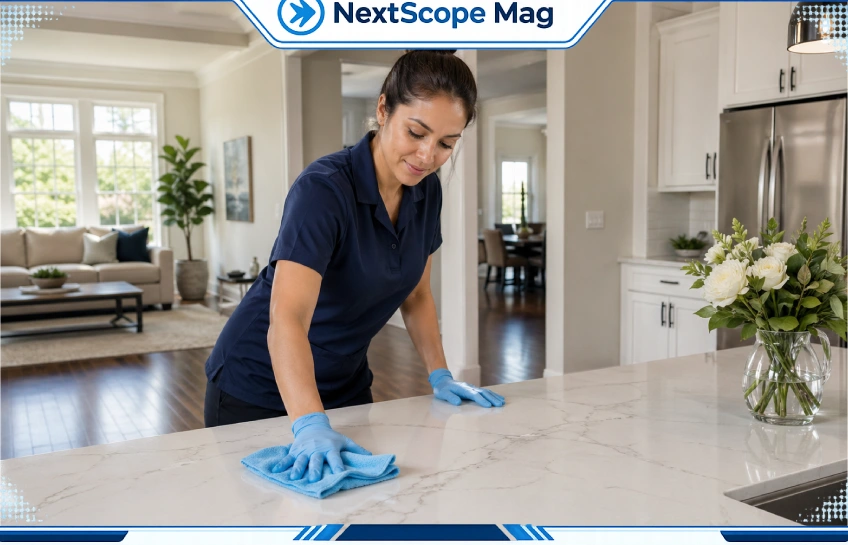
Most people try to stay on top of home cleaning themselves — and most people eventually reach a point where that’s no longer realistic. Work schedules pile up, deep grime settles in, and a quick wipe-down on Sunday just doesn’t cut it anymore. That’s where professional house cleaning services come in, and they’re a lot more structured and practical than many homeowners expect.
This guide covers everything from what these services actually include, to how much you’ll pay, how to find a reliable company, and when it makes sense to go beyond a standard clean.
What Are Professional House Cleaning Services?
Professional house cleaning services involve trained cleaners working to a defined checklist, using industry-approved products, tools, and methods to clean your home to a consistent, repeatable standard.
That last part — consistent and repeatable — is what sets it apart from DIY. When you clean your own home, the result depends on how tired you are, what you notice, and how much time you have. A professional cleaner follows a system regardless. They hit the same spots every visit, in the same order, with the same products.
The difference in depth matters too. Most homeowners vacuum floors and wipe counters. Professionals work through grout lines, baseboards, appliance exteriors, and areas that go unnoticed for months. It’s not that the work is mysterious — it’s that having a structured process makes the difference between surface-level tidy and actually clean.
Key Types of House Cleaning Services
There are several distinct service categories, and knowing which one fits your situation saves time and money.
Standard and Deep Cleaning
Standard cleaning (also called regular or recurring cleaning) covers the essentials: dusting surfaces, vacuuming and mopping floors, cleaning bathrooms, wiping kitchen counters and appliance exteriors, and removing trash. It’s designed for homes that are already reasonably maintained and need upkeep rather than a full reset.
Deep cleaning goes further. It targets built-up grime in hard-to-reach places — grout lines, baseboards, behind and beneath furniture, inside ovens and refrigerators on request, and tile surfaces throughout the home. Most companies recommend scheduling a deep clean before switching to a regular recurring plan, or every few months as a refresh.
Move-In, Move-Out, and Specialty Cleaning
Move-in and move-out cleaning is a one-time, top-to-bottom service tailored to empty or nearly empty homes. It typically covers cabinets and drawers inside and out, closets, window sills, fixtures, and all flooring — the kind of detail work that makes sense when a property is changing hands.
Post-renovation cleaning and seasonal deep cleans fall into a similar category. Renovation dust gets into everything, and standard products don’t always handle it well. Companies that specialize in post-construction work use HEPA-filter vacuums and specific techniques to clear fine particulate from surfaces safely.
Service Types at a Glance
| Service Type | Typical Frequency | Main Focus |
|---|---|---|
| Standard Clean | Weekly or biweekly | Dusting, floors, bathrooms, kitchen surfaces, trash |
| Deep Clean | Every few months | Grout, baseboards, interior appliances, built-up residue |
| Move-In / Move-Out | One-off | Full empty-home clean — cabinets, closets, fixtures, floors |
| Post-Renovation | One-off | Fine dust removal, debris, surface restoration |
What Do Professional Cleaners Actually Include?
The specific tasks vary by company, but most standard professional cleans follow a consistent room-by-room approach.
Room-by-Room Breakdown
Living areas and bedrooms get dusting of surfaces, furniture, and fixtures; vacuuming carpets and rugs; mopping hard floors; and general straightening. Making beds is usually included if linens are left out, though companies differ on this.
Bathrooms are one of the more thorough areas — scrubbing toilets, tubs, and showers; cleaning sinks and faucets; wiping mirrors; and disinfecting high-touch points like door handles, light switches, and toilet flush handles. A well-trained cleaner will also check grout condition and flag anything that needs attention.
Kitchens typically include wiping all counter surfaces and backsplashes, cleaning exterior surfaces of appliances (stovetop, microwave, fridge), scrubbing the sink, and mopping floors. Interior appliance cleaning — inside the oven, inside the fridge — is usually an add-on you request separately.
Optional Add-Ons and Exclusions
Common add-ons worth knowing about: interior oven cleaning, interior fridge cleaning, inside window cleaning, detailed blind cleaning, upholstery vacuuming, and carpet shampooing. Some companies also coordinate pest-control or exterior services through partner providers.
What most professional cleaners won’t handle: heavy decluttering, removing hazardous waste, working in infested areas, or any task requiring a specialist license (plumbing, electrical, and so on). If you’re not sure whether something falls inside or outside scope, ask before booking — not after.
How Do Professional Cleaners Work?
Understanding the process helps you prepare properly and get more out of each visit.
The Cleaning Process Explained
Most companies start with a brief walkthrough or intake conversation to understand your home’s layout, priorities, and any areas to avoid or focus on. From there, a checklist-based cleaning plan guides the session. Estimated time depends on the size of the home and the type of service — a standard clean for a two-bedroom apartment might take 2–3 hours; a deep clean of a larger home can run 5–6 hours or more.
On the supplies front, most professional services bring their own products and equipment. Some offer eco-friendly or fragrance-free alternatives on request. If you have specific requirements — allergies, pets, sensitivities to certain chemicals — it’s worth flagging this when you book.
Re-Clean and Satisfaction Policies
Reputable companies include a satisfaction guarantee: if something was missed or done poorly, they’ll return within 24–48 hours to fix it at no charge. The details vary, so read the policy before committing. The better companies are transparent about what triggers a re-clean versus what falls outside it.
Why Are Health and Hygiene Now a Priority?
Since the pandemic, expectations around home cleanliness shifted noticeably. Disinfection of high-touch surfaces — door handles, light switches, remotes, faucets — became a standard expectation rather than an upgrade. The cleaning industry responded accordingly, and most services now treat surface disinfection as a routine part of every visit.
For households with allergy sufferers, professional cleaning also helps manage dust mite populations, pet dander, and airborne particulate in ways that casual cleaning doesn’t. HEPA-filter vacuums and targeted products make a real difference here — something that’s hard to replicate without the right equipment.
Are Eco-Friendly House Cleaning Services Worth It?
The short answer: yes, for most households. The longer answer depends on what “eco-friendly” actually means in practice.
Genuinely green cleaning services use low-toxicity, biodegradable products with reduced synthetic fragrances. They’re safer around children and pets, less likely to trigger respiratory issues, and gentler on surfaces over time. Many modern services now offer these product lines as standard, while others include them as an optional upgrade.
One thing to check: “eco-friendly” isn’t a regulated label in the cleaning industry. Ask companies specifically which products they use and whether those products carry third-party certifications. That’s a more reliable indicator than marketing language alone.
How Much Do Professional House Cleaning Services Cost?
Pricing varies depending on where you live, the size and condition of your home, the type of service, and what add-ons you request. Most companies use one of three pricing models: flat rates per service, hourly rates, or per-room/area pricing.
What Drives the Cost Up or Down
Home size is the biggest factor. A small studio or one-bedroom apartment costs considerably less than a four-bedroom home with multiple bathrooms. Condition matters too — a home that hasn’t been professionally cleaned in six months will take longer than one on a bi-weekly maintenance plan.
Location plays a role. Urban areas with higher costs of living tend to have higher cleaning rates. And one-off deep cleans cost more than recurring visits, since the initial labor investment is higher.
A rough breakdown by home type:
- Small apartments: Lower overall cost; standard cleaning typically takes under two hours.
- Average family homes (3 bed/2 bath): Mid-range pricing; recurring packages often reduce the per-visit cost by 10–20%.
- Large or heavily soiled homes: Higher cost due to additional time, more supplies, and often a need for deep cleaning before transitioning to regular service.
Most companies don’t publish exact pricing online because it varies so much — quotes are usually free, and getting two or three is worth the effort.
How to Choose a Reliable Cleaning Company
What to Look for Before You Book
Reviews and word-of-mouth referrals carry the most weight here. Look for companies with consistent ratings across multiple platforms, not just a handful of five-star reviews. How a company handles negative reviews tells you a lot about how they handle problems.
Check whether the company carries liability insurance and whether cleaners are background-checked. These aren’t optional considerations — they’re baseline requirements for any company you’re letting into your home. Ask directly if the website doesn’t make it clear.
A clear service checklist is another good signal. If a company can tell you exactly what’s included in each service tier, they’re operating with structure. If the answer is vague, the cleaning probably will be too.
Flexibility and Communication
Good companies work around your schedule, communicate clearly about access (keys, smart locks, building entry codes), and follow up after service. If something comes up — a cleaner running late, a product substitution — they tell you in advance.
Pet arrangements are worth discussing upfront. Most cleaners are fine working in homes with animals, but some have specific protocols, and it’s better to sort this out before the first visit.
How Often Should You Book Cleaning?
Frequency depends on several factors: home size, how many people live there, whether you have children or pets, and whether anyone in the household has allergies or respiratory conditions.
As a general guide: busy families with kids and pets benefit from weekly cleaning. An average two-adult household typically does well on a bi-weekly schedule. Monthly or quarterly deep cleans work well for homes that are already tidy day-to-day and just need a thorough refresh periodically.
One thing worth noting — the longer between cleans, the more time and product each visit requires. Bi-weekly recurring service consistently costs less per visit than monthly one-offs, simply because the home doesn’t reach the same level of buildup between appointments.
What Should You Do Before Cleaners Arrive?
You don’t need to clean before the cleaners arrive. What does help is picking up clutter — clearing surfaces, gathering scattered items — so cleaners can actually clean rather than sort. It’s also worth moving anything irreplaceable or fragile somewhere secure.
Give clear instructions about priorities and any restricted areas (a home office, a room you’d prefer they skip, areas with specific product sensitivities). If there’s a particular area that needs extra attention, say so upfront.
Confirm access arrangements before the first visit. Keys, smart lock codes, building entry — iron this out in advance. Clear instructions the first time mean fewer follow-up calls on subsequent visits.
Do You Need a Standard Clean or a Deep Clean?
Standard recurring cleaning works well for homes that are already reasonably maintained and need upkeep. If the home is generally tidy, surfaces aren’t heavily soiled, and cleaning has been consistent, a standard clean is the right fit.
Deep cleaning makes sense after a renovation, when moving in or out of a property, after an extended period without professional cleaning, or as a seasonal reset. Many companies recommend starting with a deep clean before transitioning to a regular schedule — it establishes a baseline that recurring visits maintain.
If you’re not sure which applies, describe the current state of the home when requesting a quote. A good company will tell you honestly which service is appropriate rather than defaulting to the more expensive option.
Conclusion
Professional house cleaning services range from standard recurring maintenance to one-off deep cleans and specialized move-in or post-renovation work. The right choice depends on your home’s size, condition, how often it needs attention, and what your household specifically requires in terms of products and focus areas.
Before booking, take time to compare local providers — look at reviews, confirm insurance and background checks, ask for a clear checklist, and get more than one quote. Starting with realistic expectations and clear communication makes the difference between a frustrating first experience and one that works well enough to keep.
Frequently Asked Questions
What’s the difference between a standard clean and a deep clean? A standard clean covers regular maintenance tasks — floors, bathrooms, kitchen surfaces, dusting. A deep clean goes further into grout, baseboards, appliance interiors, and areas that aren’t addressed during routine visits.
Do professional cleaners bring their own supplies? Most do. They typically bring cleaning products, vacuums, and tools. If you have preferences — eco-friendly products, fragrance-free options, or specific brands — let the company know when booking.
How much does professional house cleaning cost? It varies by home size, location, service type, and add-ons. Small apartments generally cost less than larger family homes. Getting two or three quotes from local companies is the most reliable way to gauge pricing in your area.
Is it safe to let cleaners into my home? Reputable companies conduct background checks on their cleaners and carry liability insurance. Confirm both before booking. Check reviews across multiple platforms and ask for references if you want additional reassurance.
How do I prepare for the first cleaning visit? Pick up clutter so surfaces are accessible, secure anything fragile or irreplaceable, and give clear instructions about priorities and any restricted areas. Sort out access arrangements in advance — keys, entry codes, or any building-specific requirements.
What if something gets missed or isn’t done properly? Most established cleaning companies offer a satisfaction guarantee. If you raise an issue within 24–48 hours of service, they’ll return to correct it at no extra charge. Confirm the policy details before you commit.
How often should I schedule professional cleaning? Weekly works for busy households with children or pets. Bi-weekly suits most average households. Monthly or quarterly deep cleans maintain homes that are already well-kept between visits. The right schedule depends on your home’s size, usage, and how quickly it accumulates dust and grime.



No Comment! Be the first one.